Australians are becoming increasingly pessimistic about the direction of the country, with mounting cost-of-living pressures and growing concern over immigration emerging as two of the dominant issues influencing public opinion ahead of the next federal election.
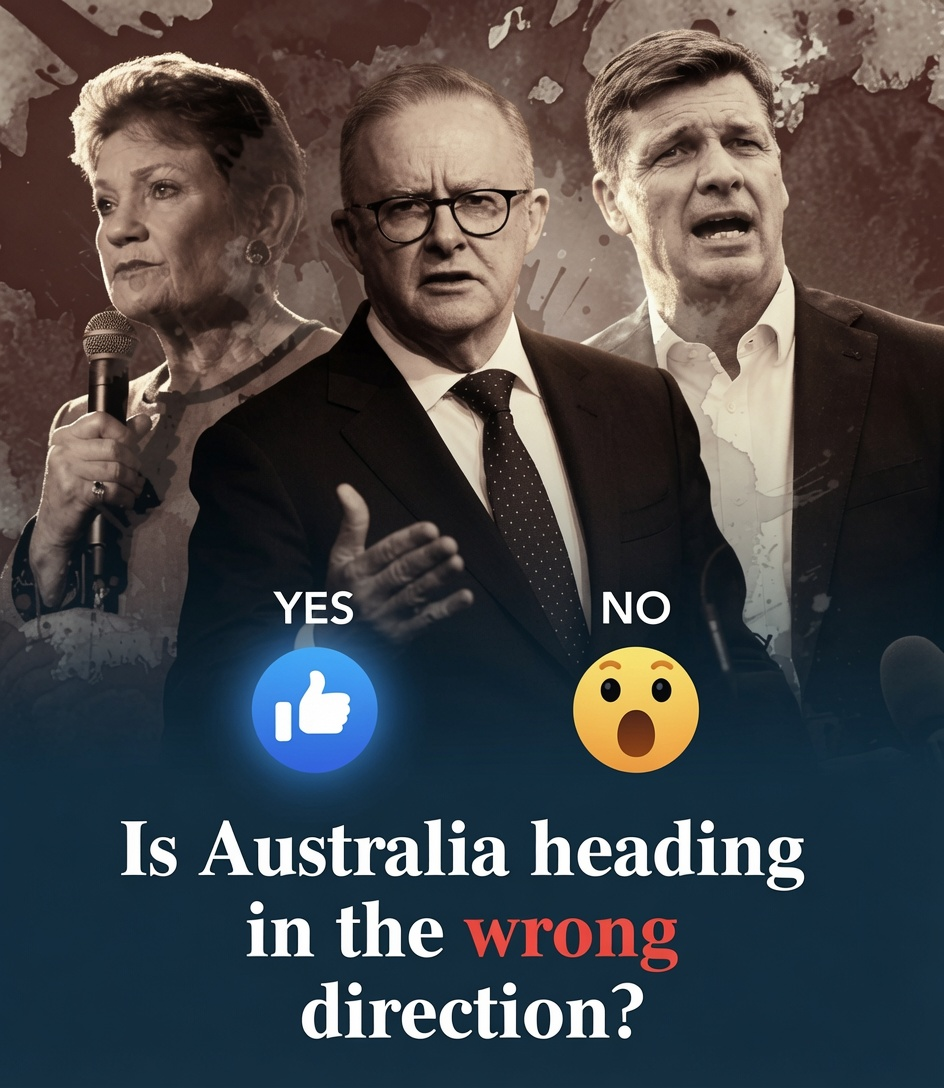
New polling indicates that almost seven in ten Australians believe the country is heading in the wrong direction, reflecting one of the highest levels of public pessimism recorded in recent years.
The findings coincide with continuing financial pressure on households, persistent housing affordability challenges and ongoing debate about Australia’s migration program. Together, those issues are reshaping the political environment and creating opportunities for minor parties seeking to capitalise on voter dissatisfaction.
According to the survey, around 60 per cent of respondents believe Australia’s immigration intake is currently too high.
The result highlights how migration has become increasingly intertwined with broader concerns about housing availability, rental affordability, infrastructure capacity and access to public services.
While immigration has long been recognised as an important contributor to Australia’s economic growth and labour market, rising population growth has intensified debate over whether housing construction and infrastructure are keeping pace.
For many Australians, the cost-of-living crisis remains the dominant issue.
Although inflation has eased from its post-pandemic peak, household budgets continue to face pressure from elevated grocery prices, insurance premiums, electricity bills and mortgage repayments.
Higher interest rates over recent years have significantly increased repayments for many homeowners, while renters have experienced some of the strongest increases in advertised rents on record.
Housing affordability has become particularly challenging for younger Australians attempting to enter the property market.
Limited housing supply, population growth and strong demand have combined to keep home prices elevated across many parts of the country despite periods of slower market activity.
Governments at both federal and state levels have introduced measures aimed at increasing housing supply, encouraging new construction and supporting first-home buyers. However, many economists argue meaningful improvements will take years rather than months because of longstanding supply constraints.
Immigration has consequently become one of the most politically sensitive issues in Australia.
Supporters of Australia’s migration program point to its economic benefits, including addressing labour shortages, supporting universities, strengthening skilled industries and contributing to long-term economic growth.
Business groups have frequently argued that migration is essential in sectors experiencing persistent workforce shortages, including health care, construction, engineering, hospitality and agriculture.
Critics, however, contend that high population growth has outpaced housing construction and infrastructure investment, placing additional pressure on affordability, congestion and public services.
Successive federal governments have acknowledged the need to better balance migration with housing supply and infrastructure planning.
The Albanese Government has introduced reforms intended to reduce migration from its post-pandemic peak while targeting greater integrity within the international education and skilled migration systems.
At the same time, the government has maintained that migration remains an essential component of Australia’s long-term economic strategy.
The combination of economic anxiety and concerns about immigration is also influencing voting intentions.
Minor parties have increasingly focused their campaigns on these issues, arguing that Australia’s major political parties have failed to adequately address voters’ concerns.
One Nation, led by Senator Pauline Hanson, has consistently campaigned for lower migration levels, tighter border controls and stronger protections for Australian jobs and housing.
The party has also linked immigration with housing affordability, cost-of-living pressures and national infrastructure challenges.
Recent polling suggests One Nation has experienced an increase in public support compared with previous election cycles, although Australia’s preferential voting system means translating vote share into parliamentary seats remains considerably more complex than headline polling figures alone might suggest.
Political analysts note that dissatisfaction with the major parties often benefits minor parties during periods of economic uncertainty.
Historically, Australians experiencing financial pressure have sometimes shifted support toward parties promising significant policy changes, particularly on issues affecting household budgets.
The current mood bears similarities to previous periods when rising living costs dominated political debate.
However, economists caution that public confidence often responds gradually to improvements in economic indicators.
Even when inflation slows or interest rates stabilise, households may continue feeling financially stretched because prices remain substantially higher than they were only a few years ago.
Consumer confidence surveys have reflected this lingering caution, with many Australians reporting concerns about future household finances despite signs that inflationary pressures are easing.
Employment conditions remain comparatively strong by historical standards, with unemployment remaining relatively low. Nevertheless, wage growth has not always kept pace with cumulative increases in household expenses experienced since the pandemic.
Political leaders from both major parties have acknowledged that cost-of-living relief is likely to remain the defining policy challenge over the coming years.
Measures relating to energy prices, taxation, housing supply, childcare, Medicare and household budgets are expected to feature prominently in future parliamentary debate and election campaigns.
Immigration policy is also likely to remain under close scrutiny.
Balancing economic demand for skilled workers against community concerns regarding housing, infrastructure and public services represents one of the more complex policy challenges confronting governments.
Public attitudes toward migration have historically fluctuated alongside economic conditions, employment opportunities and housing affordability.
As financial pressures persist, those concerns appear to be carrying greater political weight than at any point in recent years.
The latest polling suggests many Australians remain unconvinced the country is moving in the right direction, underscoring the difficult political environment facing governments as they attempt to restore confidence while managing inflation, housing shortages and long-term economic growth.
Whether that pessimism eases over the coming year may depend less on headline economic statistics than on whether households begin to feel genuine improvements in their everyday lives.






