Australia’s largest agricultural property in Tasmania has become the centre of a fierce political battle after Treasurer Jim Chalmers approved its sale to a foreign-managed investment fund despite months of lobbying from farmers, local politicians and industry groups.
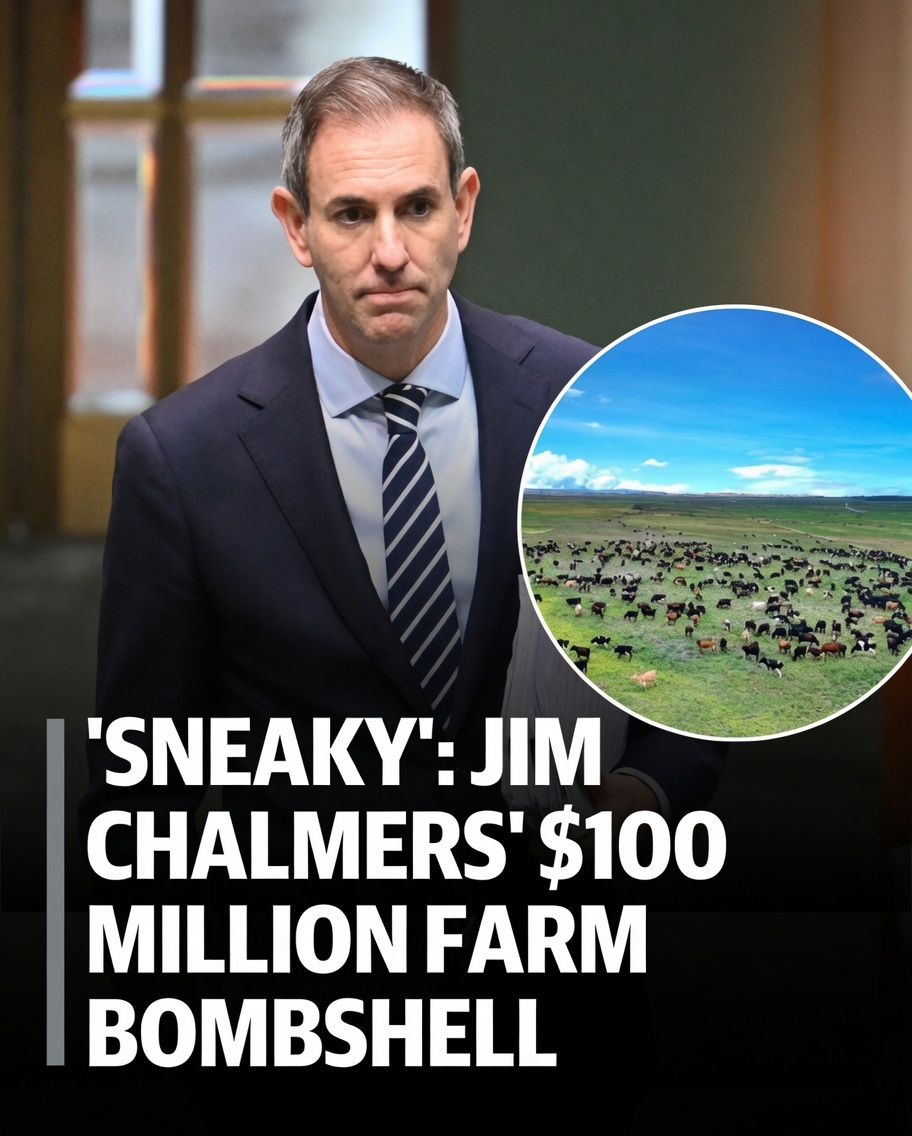
The decision allows the Tasmanian Natural Asset Trust, managed by British investment manager Gresham House, to purchase Rushy Lagoon for more than $100 million after receiving approval from the Foreign Investment Review Board (FIRB) and the federal Treasurer.
Located in Tasmania’s far north-east near Cape Portland, Rushy Lagoon covers almost 22,000 hectares and has long been recognised as one of Australia’s most significant dairy and beef enterprises. For decades the property supplied millions of litres of milk annually while supporting thousands of beef cattle and extensive grazing operations, making it one of the state’s most productive agricultural assets.
Instead of continuing primarily as a food-producing property, the new owners plan to reshape much of the estate into a combination of commercial softwood plantations, ecological restoration projects and sustainable grazing operations. The development is expected to generate Australian Carbon Credit Units (ACCUs) while also supplying timber to Tasmania’s forestry industry.
While supporters argue the proposal represents a major environmental investment, critics say it symbolises a broader shift away from food production towards carbon-credit projects backed by institutional investors.
The approval has triggered immediate backlash across Tasmania, where farming organisations argue productive agricultural land is becoming increasingly difficult for local producers to purchase as carbon investment funds enter the market.
TasFarmers President Nathan Cox described the decision as a “disgraceful outcome” for Tasmania and Australian food security, accusing the federal government of quietly approving the sale after Parliament entered its winter recess.
According to Mr Cox, the timing left farmers feeling excluded from a decision that had already faced repeated delays while under review by FIRB.
“Rushy Lagoon has fed Australian families for generations,” he said, arguing the conversion of productive farmland into forestry for carbon credits would ultimately reduce Australia’s food-producing capacity.
TasFarmers also questioned why the government-owned Clean Energy Finance Corporation committed approximately $69 million to the investment vehicle before the foreign investment approval process had concluded. The organisation believes the arrangement gave overseas investors an advantage over Australian farming businesses that may have wished to purchase the property.
A community survey conducted by TasFarmers reportedly found overwhelming opposition to the transaction, reflecting widespread concern among producers about the future of agricultural land across Tasmania.
The criticism quickly spread beyond the farming sector.
Acting Tasmanian Premier Bridget Archer questioned why taxpayer-backed financial support had effectively been committed before the FIRB process reached its conclusion, saying the sequence of events “does not pass the pub test”. She acknowledged the value of regional investment but argued the approval process had damaged public confidence.
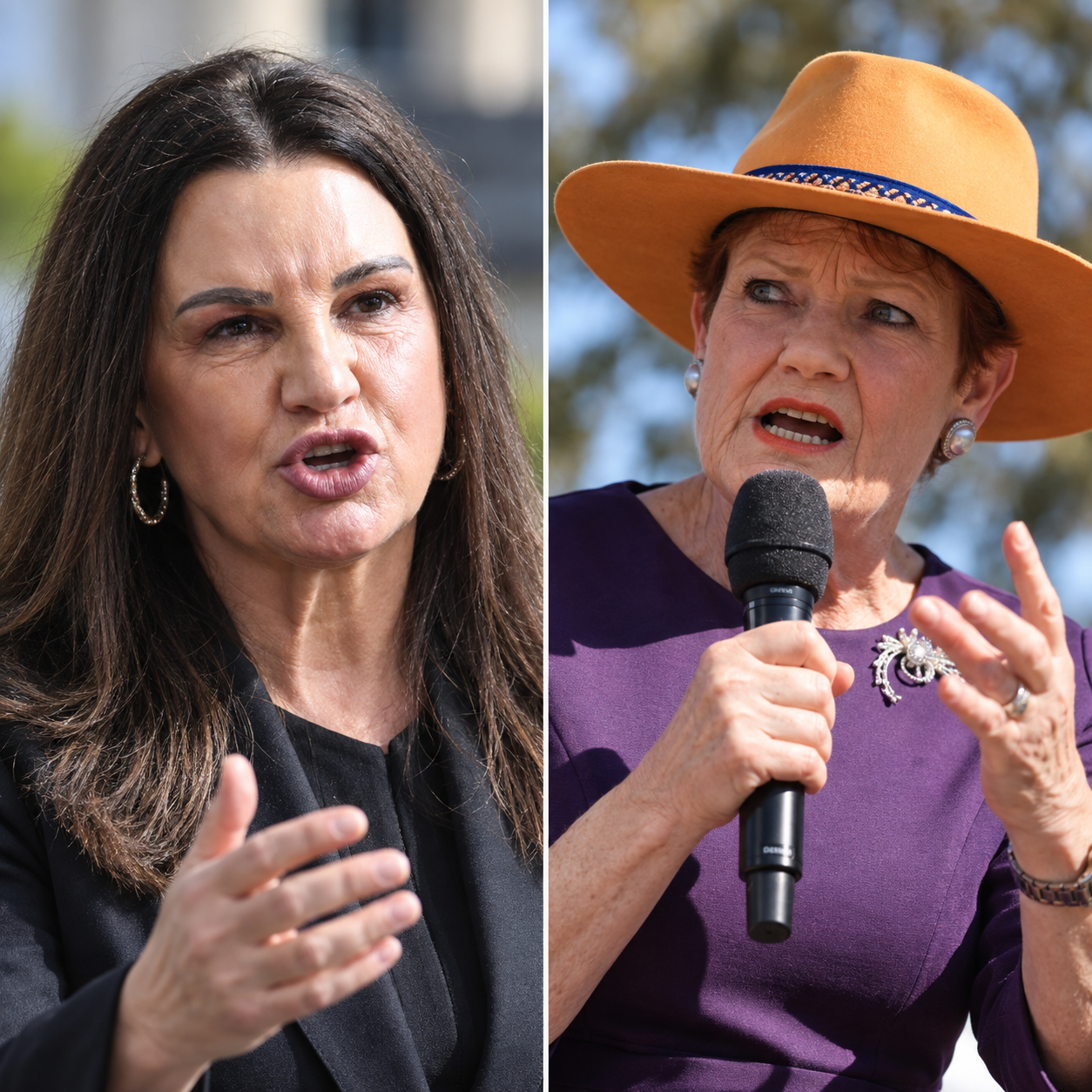
Federal opposition figures and One Nation leader Pauline Hanson also criticised the decision, saying Australia should prioritise protecting productive farmland during a period of rising food prices and ongoing cost-of-living pressures.
For critics, Rushy Lagoon has become far more than a single property transaction. They argue it represents a test of whether Australia’s climate policies are beginning to compete directly with long-term food security.
The controversy has also reignited a broader national debate about how Australia should balance climate policy with long-term food production.
At the centre of the discussion is the Tasmanian Natural Asset Trust’s proposal for Rushy Lagoon. According to Gresham House and its investment partners, the project will not simply replace agriculture with trees. Instead, it is intended to combine commercial radiata pine plantations on lower-productivity land with ecological restoration, conservation initiatives and ongoing sustainable grazing.
The consortium argues the development will support Tasmania’s timber industry while generating Australian Carbon Credit Units (ACCUs), reducing pressure on native forests and creating new employment opportunities across regional communities. The project is also expected to attract significant private investment into Tasmania over coming decades.
Supporters say the proposal reflects the changing economics of rural land management, where agricultural production is increasingly being combined with environmental restoration and carbon markets.
Carbon credits have become an increasingly valuable commodity as governments and businesses seek to offset greenhouse gas emissions. Under Australia’s ACCU scheme, landholders can earn credits by undertaking approved projects that remove or store carbon, including large-scale tree planting and ecological restoration.
For investors, these projects can provide multiple revenue streams through timber production, biodiversity initiatives and carbon markets, making large rural properties attractive long-term assets.
However, critics argue that the rapid growth of carbon-focused investment is fundamentally changing Australia’s agricultural landscape.
Farmer groups fear institutional investors with access to government-backed finance can afford to pay substantially more than family farming businesses, effectively pricing local producers out of the market. They argue this trend risks reducing domestic food production while inflating rural land values beyond the reach of the next generation of Australian farmers.
Those concerns have been particularly acute in Tasmania, where high rainfall, fertile soils and reliable irrigation have made farmland attractive not only to agricultural producers but also to forestry companies and environmental investment funds.
Official figures already show a significant proportion of Tasmania’s agricultural land is foreign owned, with the United Kingdom representing Australia’s largest foreign agricultural landholder overall. While foreign investment has played an important role in developing Australia’s agricultural sector, high-profile transactions involving strategic farming assets continue to generate political scrutiny.
The federal government insists the Rushy Lagoon decision should not be viewed as a simple choice between farming and forestry.
In explaining his decision, Treasurer Jim Chalmers said extensive consultation had taken place before approval was granted. He said the proposal had been assessed against economic, environmental and national interest considerations before FIRB recommended that it proceed.
Chalmers also noted that Rushy Lagoon had already begun winding down its dairy operation before the transaction was completed. Thousands of dairy cattle had been relocated, while Tasmania classifies parts of the property as marginal agricultural land. According to the Treasurer, these factors formed part of the government’s assessment alongside expected regional employment and investment benefits.
Nevertheless, opponents remain unconvinced.
TasFarmers argues Rushy Lagoon has demonstrated its agricultural productivity for decades, producing millions of litres of milk annually while supporting extensive beef and grazing operations. The organisation rejects suggestions that the property should be regarded as low-quality farmland simply because some dairy activities had ceased shortly before settlement.
The involvement of the government-owned Clean Energy Finance Corporation (CEFC) has further intensified criticism.
The CEFC has confirmed it is investing approximately $69 million alongside private partners as a commercial co-investor rather than providing a grant. The corporation says the project is expected to stimulate regional employment, strengthen domestic timber supplies and generate high-integrity carbon credits while maintaining elements of agricultural production.
Critics, however, question whether taxpayer-backed financing distorted the bidding process by enabling a foreign-managed investment vehicle to outbid Australian farming interests. They have also called for greater transparency regarding governance arrangements between agencies involved in the approval process.
The Rushy Lagoon decision also highlights a growing policy dilemma confronting governments across Australia: how to encourage investment in climate solutions without undermining the country’s agricultural capacity.
Over the past several years, demand for Australian Carbon Credit Units (ACCUs) has increased significantly as the federal government’s Safeguard Mechanism requires major industrial emitters to reduce emissions or purchase approved offsets. That has made large rural properties with tree-planting potential increasingly attractive to institutional investors, particularly superannuation funds, forestry companies and environmental investment vehicles.
Supporters of the Rushy Lagoon project argue that this trend should not automatically be viewed as a threat to agriculture. Gresham House, together with investment partners including the Clean Energy Finance Corporation (CEFC) and Aviva Investors, says the development will combine commercial forestry with ecological restoration and ongoing regenerative cattle grazing rather than removing agriculture entirely.
The consortium says radiata pine harvested from the property will supply Tasmanian sawmills, easing pressure on native forest harvesting while supporting regional employment. It also expects the project to generate biodiversity outcomes, protect wetlands and attract long-term private capital into north-east Tasmania.
However, opponents argue that the practical effect will still be a substantial reduction in productive farmland.
Rushy Lagoon has historically been one of Tasmania’s flagship agricultural enterprises. Over the years it has supported extensive dairy, beef and sheep operations, employed dozens of workers and contributed significantly to the regional economy. Critics say replacing large areas of pasture with commercial pine plantations inevitably changes the character of one of Australia’s most productive farming districts.
Industry groups also fear the decision could establish an important precedent. If institutional investors backed by carbon-market opportunities continue purchasing large agricultural properties, more family-owned farms may find themselves unable to compete in future land sales.
That concern extends beyond Tasmania. Similar debates have emerged in other states as governments attempt to balance emissions reduction targets with domestic food production, regional employment and long-term land management. Agricultural organisations have repeatedly warned that Australia must avoid creating policy settings that unintentionally encourage the conversion of highly productive farmland into non-food uses.
The political ramifications are also likely to continue well beyond this individual transaction.
The approval has provided fresh ammunition for Opposition politicians and crossbench senators who argue the Albanese Government’s climate agenda is increasingly conflicting with agricultural policy. Several have questioned whether foreign investment rules should place greater weight on food security when assessing future acquisitions of strategic farming assets.
For the federal government, the challenge is demonstrating that environmental investment and agricultural production can coexist. Treasurer Jim Chalmers has stressed that every foreign investment proposal is assessed individually and that FIRB concluded the Rushy Lagoon acquisition was not contrary to Australia’s national interest after considering economic, environmental and strategic factors.
Whether that explanation satisfies regional communities remains uncertain. For many Tasmanian farmers, the issue extends beyond ownership of a single property. They believe the decision reflects broader questions about who will own Australia’s farmland in the future, how rural communities will adapt to the expanding carbon economy and whether food production will remain the primary purpose of the nation’s most productive agricultural land.
As work begins on transforming Rushy Lagoon, the property is likely to remain a focal point in Australia’s wider debate over climate policy, foreign investment and food security. While supporters see an innovative model for sustainable land management, critics regard it as a warning about the unintended consequences of rapidly expanding carbon markets.
The dispute surrounding Rushy Lagoon is unlikely to fade quickly. Beyond the immediate political fallout, it has exposed a broader divide over the future direction of Australian agriculture and the role foreign capital should play in reshaping rural land use.
Supporters of the transaction argue that climate-related investment, commercial forestry and regenerative land management can exist alongside agricultural production. They point to growing demand for sustainably produced timber, biodiversity restoration and high-integrity carbon credits as evidence that rural land can generate both environmental and economic returns. The Australian Forest Products Association has also welcomed the project, arguing Australia needs more plantation timber to strengthen domestic supply and reduce reliance on imports.
Opponents, however, maintain that the loss of one of Tasmania’s largest food-producing properties sends the wrong signal at a time when Australia faces ongoing concerns over food security, rising grocery prices and increasing pressure on regional supply chains. They argue that productive agricultural land should remain focused primarily on food production rather than carbon markets, particularly when public funding is involved.
The controversy has also prompted renewed scrutiny of Australia’s foreign investment framework. Critics have questioned whether the current national interest test gives sufficient weight to food security, strategic agricultural assets and the cumulative impact of converting farmland into alternative land uses. Some have called for greater transparency around FIRB assessments and the involvement of government-backed investment bodies in commercial transactions.
For Treasurer Jim Chalmers, the decision represents one of the most politically sensitive foreign investment approvals of the year. While he has repeatedly stressed that the proposal underwent extensive consultation and was approved only after FIRB advised it was not contrary to Australia’s national interest, the backlash demonstrates how climate policy, agricultural production and foreign investment have become increasingly intertwined political issues.
Whether Rushy Lagoon ultimately becomes a model for integrating commercial forestry, environmental restoration and sustainable grazing—or a cautionary example of productive farmland being diverted from food production—will likely depend on the project’s long-term outcomes. In the meantime, the sale has become a touchstone in the national debate over how Australia balances emissions reduction, regional development, private investment and the protection of its agricultural capacity.
As work on the property progresses, both supporters and critics will be watching closely. The outcome will not only shape the future of Rushy Lagoon itself but could also influence how governments assess similar proposals involving major agricultural assets in the years ahead.