Australia’s Labor Party has formally incorporated support for Welcome to Country and Acknowledgement of Country ceremonies into its draft national platform, marking a notable policy change ahead of the party’s National Conference.
The revised platform states that Labor recognises the importance of the ceremonies as opportunities to show respect to Aboriginal and Torres Strait Islander peoples. The change comes amid an increasingly prominent political debate over the role of Indigenous cultural recognition at public events and follows calls from Pauline Hanson’s One Nation to end the ceremonies at government-funded functions.
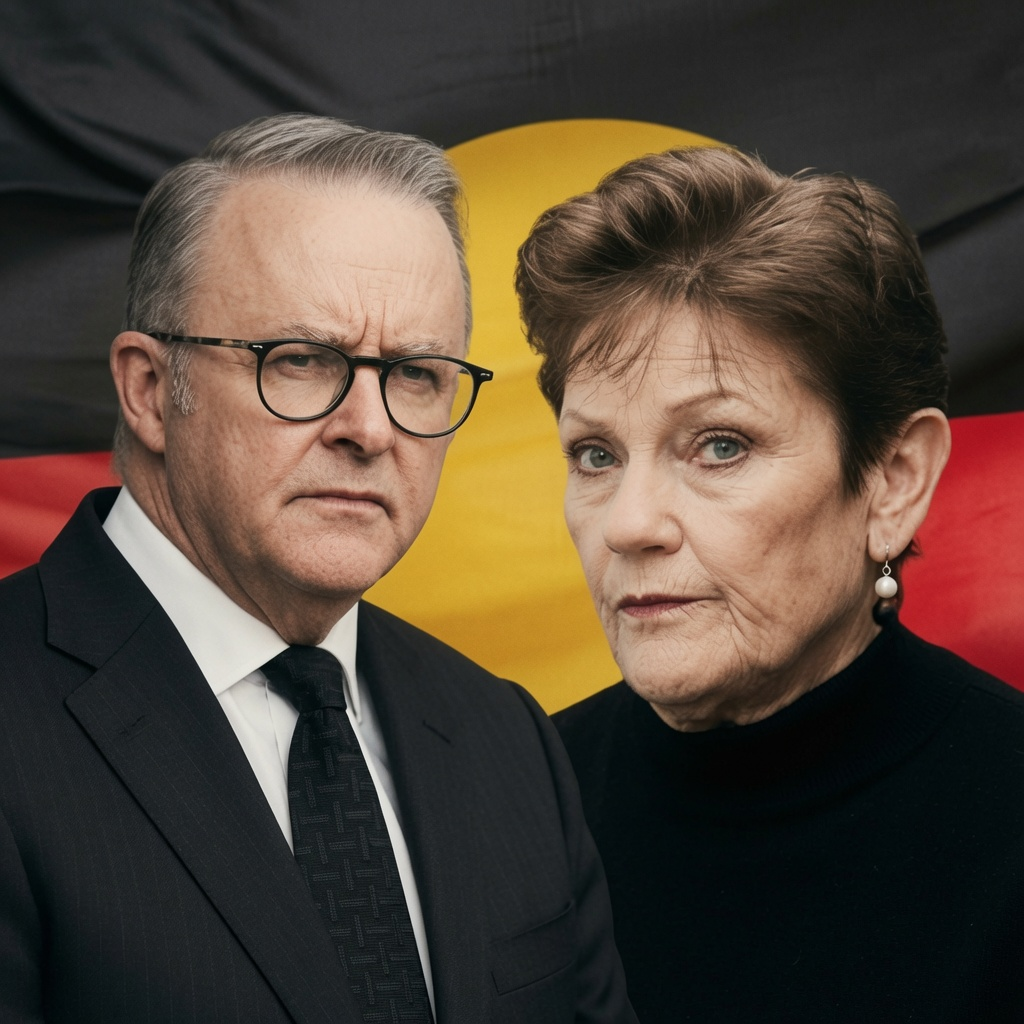
According to the draft platform, Labor is also reaffirming its support for the Aboriginal and Torres Strait Islander flags as national symbols representing First Nations Australians. While previous Labor platforms expressed broad support for Indigenous recognition and reconciliation, the updated wording explicitly acknowledges the significance of Welcome to Country and Acknowledgement of Country ceremonies.
The announcement comes only weeks after One Nation leader Pauline Hanson pledged to abolish Welcome to Country ceremonies at official government events if her party were in a position to implement such a policy. Senator Hanson has argued that the ceremonies have become overused, are increasingly divisive and should no longer form part of routine public functions.
Labor has taken the opposite position. Party officials argue that the ceremonies provide an opportunity to acknowledge the continuing cultural connection of Aboriginal and Torres Strait Islander peoples to Country and demonstrate respect at civic, community and official events. The proposed platform wording does not require every event to include a ceremony but formally recognises their importance within the party’s policy framework.
The debate reflects broader political divisions that have emerged following the 2023 referendum on an Indigenous Voice to Parliament. Since the referendum, questions surrounding Indigenous recognition, reconciliation initiatives and national symbols have remained prominent in Australian political discussion, with different parties adopting contrasting policy positions.
A Welcome to Country is traditionally delivered by an Aboriginal or Torres Strait Islander Elder or Traditional Owner to welcome visitors onto Country for significant events. An Acknowledgement of Country, by comparison, may be delivered by anyone and recognises the Traditional Custodians when a Welcome to Country is not possible. Both practices have become increasingly common across governments, universities, sporting organisations, businesses and community events over recent decades.
Supporters of the ceremonies argue they provide an important public recognition of Australia’s First Nations cultures and contribute to reconciliation by acknowledging the enduring relationship between Indigenous peoples and the land. Many public institutions view them as a respectful protocol at major gatherings.
Critics, however, argue that the ceremonies are now being conducted so frequently that they have become symbolic rather than meaningful. Some contend they should be reserved for significant occasions, while others believe participation should remain voluntary rather than becoming an expected feature of public life. These differing views have increasingly become part of Australia’s broader political and cultural debate.
The revised Labor platform also contains commitments relating to multiculturalism, anti-racism measures and broader recognition of First Nations Australians. The proposed changes will be considered by delegates at the party’s National Conference, where policy amendments can be debated before becoming part of Labor’s official platform.
While a party platform does not automatically create new laws, it provides guidance for future policy priorities should proposals require legislative or administrative action. As a result, the inclusion of Welcome to Country in Labor’s platform is primarily a statement of the party’s official position rather than an immediate legal change.
The issue is expected to remain politically significant as parties continue defining their approaches to Indigenous affairs, national identity and cultural recognition. With One Nation advocating the removal of the ceremonies from government events and Labor explicitly endorsing their importance, voters are presented with two distinctly different policy positions on a topic that has become increasingly prominent in Australia’s public debate.
For now, the revised platform highlights how questions surrounding Indigenous recognition continue to shape political discussion well beyond the Voice referendum. Whether these competing approaches influence future government policy will depend on parliamentary decisions, administrative practices and the outcome of future elections.






