Australia’s latest push to strengthen online safety laws has ignited a wider national debate about where governments should draw the line between protecting internet users and preserving fundamental freedoms such as free speech and privacy.
The discussion intensified after the Federal Government released further details of its proposed “digital duty of care” framework, while eSafety Commissioner Julie Inman Grant publicly argued that Australia’s online regulator requires additional investigative powers to oversee large technology companies more effectively.
Supporters of the reforms say stronger regulation is necessary as digital platforms continue to play an increasingly significant role in Australians’ daily lives. Critics, however, argue that broad new powers could create unintended consequences if adequate safeguards are not built into the legislation.
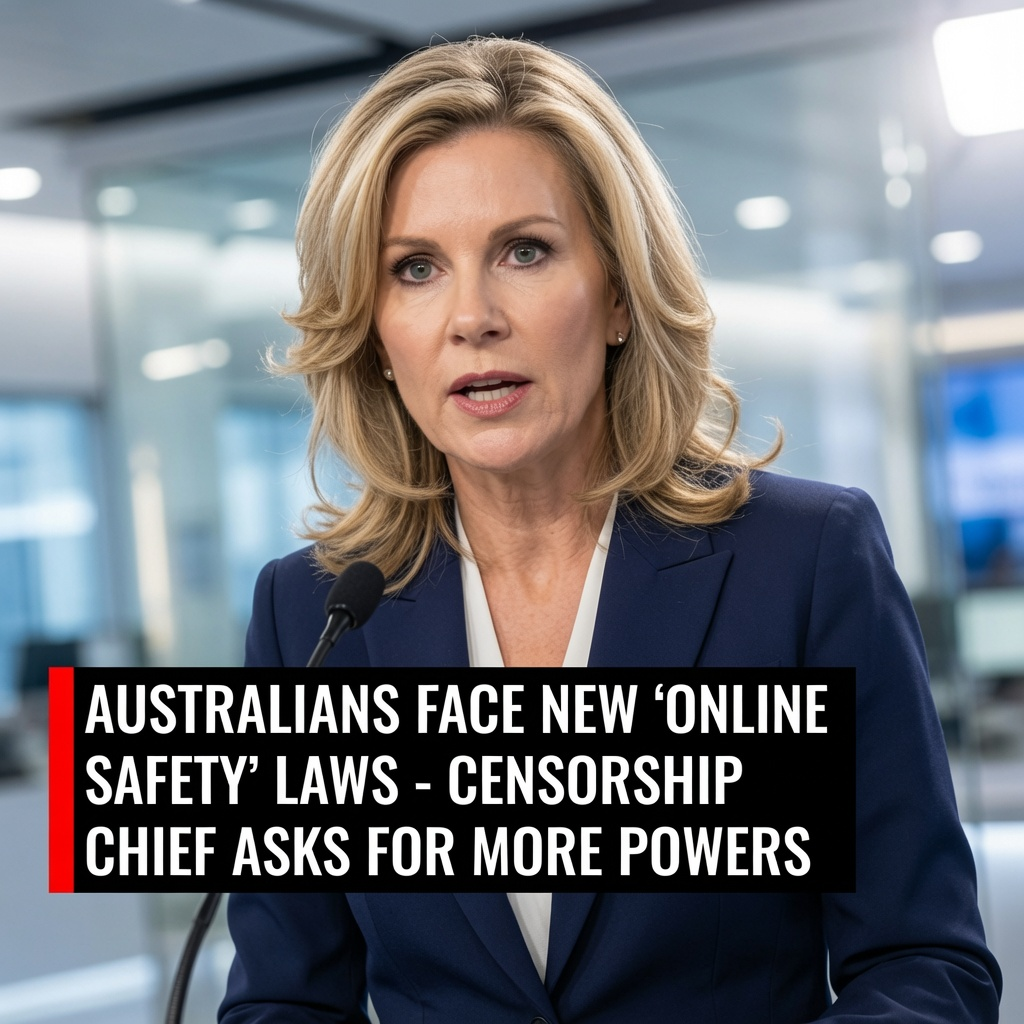
The proposed digital duty of care would place greater legal responsibility on online platforms to identify, manage and reduce serious risks that arise through their services. According to government statements, the policy is intended to focus on preventing significant online harms rather than regulating everyday political discussion or ordinary public debate.
Among the areas identified by ministers are child sexual exploitation material, violent extremist content, image-based abuse and other forms of serious online harm. The Government says technology companies should take reasonable steps to reduce foreseeable risks associated with their platforms.
Alongside the broader policy, the Government has also proposed strengthening the powers available to the Office of the eSafety Commissioner. Recent legislation would expand the Commissioner’s ability to require documents and evidence from technology companies while significantly increasing financial penalties for businesses that fail to comply with certain legal obligations. Those proposals form part of Labor’s broader online safety agenda and remain subject to the parliamentary process.
Julie Inman Grant has argued that stronger investigative powers are needed because regulators must be able to determine whether companies are genuinely complying with Australian law rather than simply making public assurances. Supporters of expanded powers say regulators require access to internal records to verify how platforms are responding to legal obligations.
However, the proposed reforms have also prompted concern from a number of civil liberties organisations, digital rights advocates and legal commentators.
Some argue that while protecting children and reducing serious online harms are legitimate public policy goals, legislation should clearly define the limits of regulatory authority. They contend that vague or overly broad legal definitions could potentially create uncertainty for technology companies and internet users alike.
Privacy advocates have also questioned whether additional investigatory powers should be accompanied by stronger oversight mechanisms, transparent review processes and clearly defined accountability measures. Their concern is not necessarily with the objective of improving online safety, but with ensuring that expanded regulatory powers remain proportionate and subject to appropriate democratic safeguards.
Several legal experts have similarly noted that legislation granting ministers or regulators the ability to introduce additional categories of harmful content through delegated powers may attract closer parliamentary scrutiny. They argue that significant changes affecting freedom of expression should generally receive full legislative debate rather than relying primarily on administrative decisions.
The debate reflects a broader challenge facing governments around the world.
Countries including the United Kingdom and members of the European Union have introduced or are developing increasingly comprehensive online safety frameworks aimed at reducing harmful digital content. Many governments are seeking to balance public safety, children’s welfare, technological innovation, privacy protections and freedom of expression within rapidly evolving online environments.
Australia has already introduced significant online safety reforms in recent years, including legislation relating to children’s use of social media. The Government has argued that further measures are necessary because technology platforms continue to evolve rapidly and enforcement agencies require modern regulatory tools to keep pace with those changes.
Opponents of additional regulation respond that every expansion of government authority should be carefully justified. They argue that powers created for one purpose can sometimes be applied more broadly over time, making precise drafting and strong oversight particularly important.
The discussion has therefore moved beyond the immediate question of technology regulation and into a wider conversation about democratic accountability. Many observers agree that Australians expect governments to address genuine online harms, but they also expect any restrictions affecting privacy or freedom of expression to be transparent, proportionate and subject to independent scrutiny.
At this stage, many elements of the proposed digital duty of care framework remain under consultation before legislation is finalised. The Government has indicated it will continue consulting with industry, legal experts, community organisations and other stakeholders as the policy develops.
The parliamentary process will ultimately determine the final shape of the legislation, including what powers are granted to regulators, what safeguards accompany those powers and how the new framework seeks to balance online safety with long-standing democratic freedoms.






