British broadcaster Piers Morgan has delivered a blunt assessment of Nine’s decision to part ways with veteran television presenter Karl Stefanovic, describing the move as a mistake and predicting the network could eventually regret letting one of its best-known personalities leave.
The comments came after Morgan appeared on The Karl Stefanovic Show, where the pair discussed Stefanovic’s departure from mainstream television and his decision to pursue independent media. Excerpts from the conversation were later highlighted on Ben Fordham’s 2GB program, drawing fresh attention to one of the biggest Australian media stories of recent weeks.
According to the broadcast, Morgan accused Nine executives of mishandling the situation and used explicit language to express his frustration, telling Stefanovic’s former bosses to “go f*** themselves”. While the wording quickly generated headlines, the broader discussion focused on how traditional television networks are responding to an industry increasingly shaped by digital platforms and creator-led media.
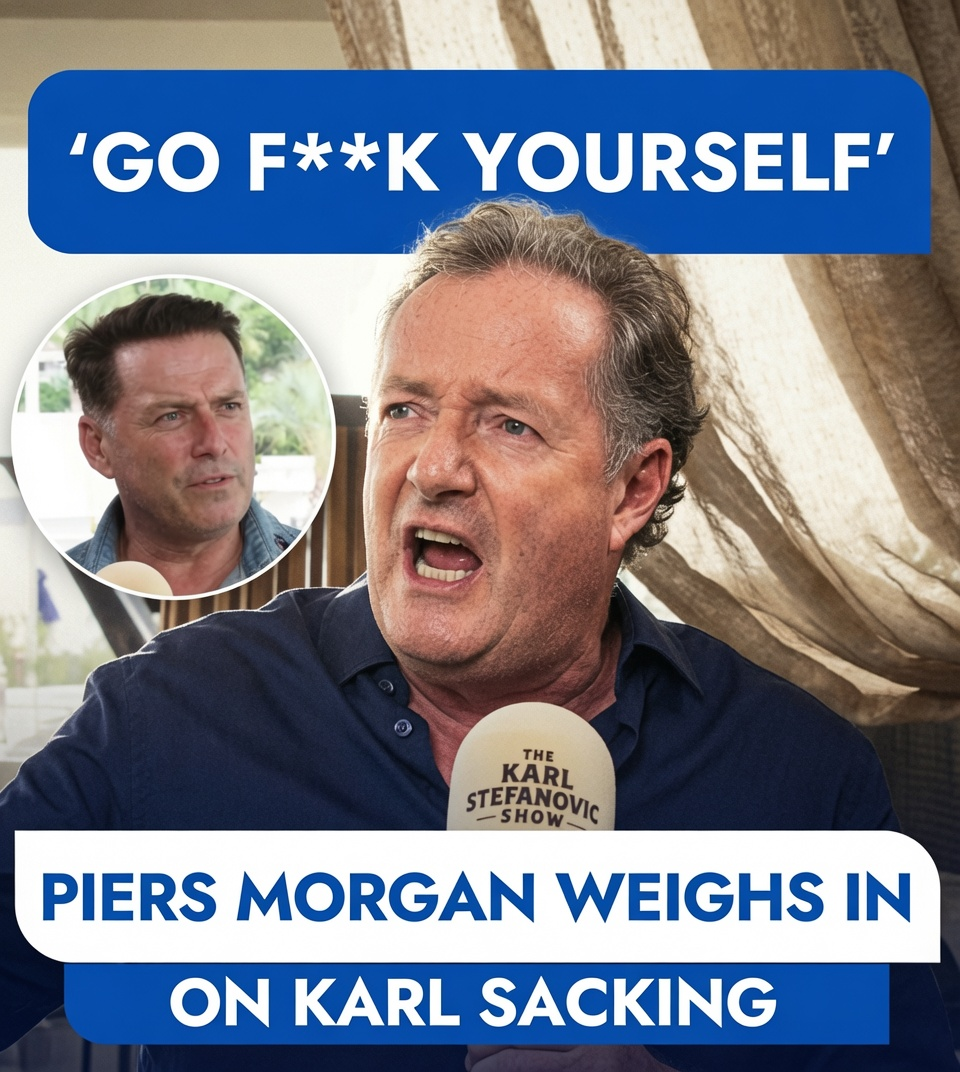
Stefanovic’s exit followed controversy surrounding an interview on his independent podcast, which ultimately led Nine to announce that he would no longer remain with the network after more than two decades on air. He also subsequently departed a weekend radio role with ARN as attention continued to focus on his expanding podcast business.
Morgan told listeners he believed Stefanovic had been treated unfairly and argued that audiences should be trusted to make up their own minds about interviews rather than expecting media organisations to restrict conversations because they may prove controversial.
His remarks add another high-profile voice to an already polarising debate over editorial independence, free speech and the responsibilities of major broadcasters when public figures interview controversial guests.
For Stefanovic, the past fortnight has marked one of the biggest transitions of his career. Rather than stepping away from broadcasting altogether, he has thrown his efforts into building an independent online platform that combines long-form interviews, commentary and current affairs discussion.
Early audience figures suggest the strategy has attracted considerable public interest. Reports indicate his podcast has experienced rapid growth across YouTube, Spotify and other digital platforms following the publicity surrounding his departure from Nine, with millions of online views recorded across multiple social media channels.
The strong response has fuelled wider discussion about whether established television personalities can successfully build audiences outside traditional broadcasting, particularly as more Australians consume news and entertainment through podcasts, streaming services and social media rather than scheduled television.
Supporters argue independent platforms allow journalists and presenters greater editorial freedom, enabling longer interviews and fewer commercial constraints. Critics, however, say traditional broadcasters continue to provide stronger editorial oversight and established standards for news and current affairs programming.
Morgan himself has become one of the most recognisable examples of a media personality successfully combining traditional broadcasting with digital publishing. His own online interviews regularly attract millions of views, giving added weight to his observations about where audience behaviour is heading.
The debate also comes at a challenging time for Australia’s commercial media sector. Television ratings remain under pressure from streaming services, while broadcasters continue investing heavily in digital products as advertising revenue becomes increasingly fragmented.
Several high-profile presenters have expanded into podcasts over recent years, seeking direct relationships with audiences that are no longer dependent on broadcast schedules. The model offers creators greater control but also requires them to build sustainable audiences without the promotional support traditionally provided by major networks.
Stefanovic has publicly described his new venture as an opportunity to explore subjects in greater depth and interview a wider range of guests than would typically be possible within the constraints of breakfast television. Since leaving Nine, he has indicated he intends to continue expanding the podcast with additional interviews and new formats.
Whether that strategy proves successful over the long term remains to be seen. Building a sustainable independent media business requires consistent audience engagement, advertising partnerships and ongoing content production, challenges that differ significantly from working within an established television network.
For Nine, meanwhile, the departure represents the end of an era after Stefanovic spent more than 20 years as one of the network’s most recognisable faces. The company has not publicly responded to Morgan’s criticism, and attention has instead shifted toward the future direction of both Stefanovic’s independent media career and Nine’s breakfast television lineup.
As the Australian media industry continues evolving, the dispute has become about more than one television presenter. It has sparked broader questions about editorial freedom, audience expectations and whether the next generation of influential broadcasters will build their careers inside traditional networks or on platforms they own themselves.






