Public debate surrounding Prime Minister Anthony Albanese’s past comments about Australian singer Kylie Minogue has continued after opinion writers and political commentators questioned whether Australia’s political leaders are judged by consistent standards regardless of party affiliation.
The renewed discussion follows the resurfacing of remarks Albanese made during an entertainment-style interview several years before becoming Prime Minister. After the comments attracted widespread attention, Albanese publicly apologised, acknowledging that the language he used was inappropriate and stating that it did not reflect the standards he believes should apply to public office today.
The latest commentary has focused less on the original interview itself and more on the broader political response. Some commentators argue that public figures should be assessed consistently regardless of their political party, while others contend that the Prime Minister’s apology and acceptance of responsibility should be taken into account when evaluating the incident.
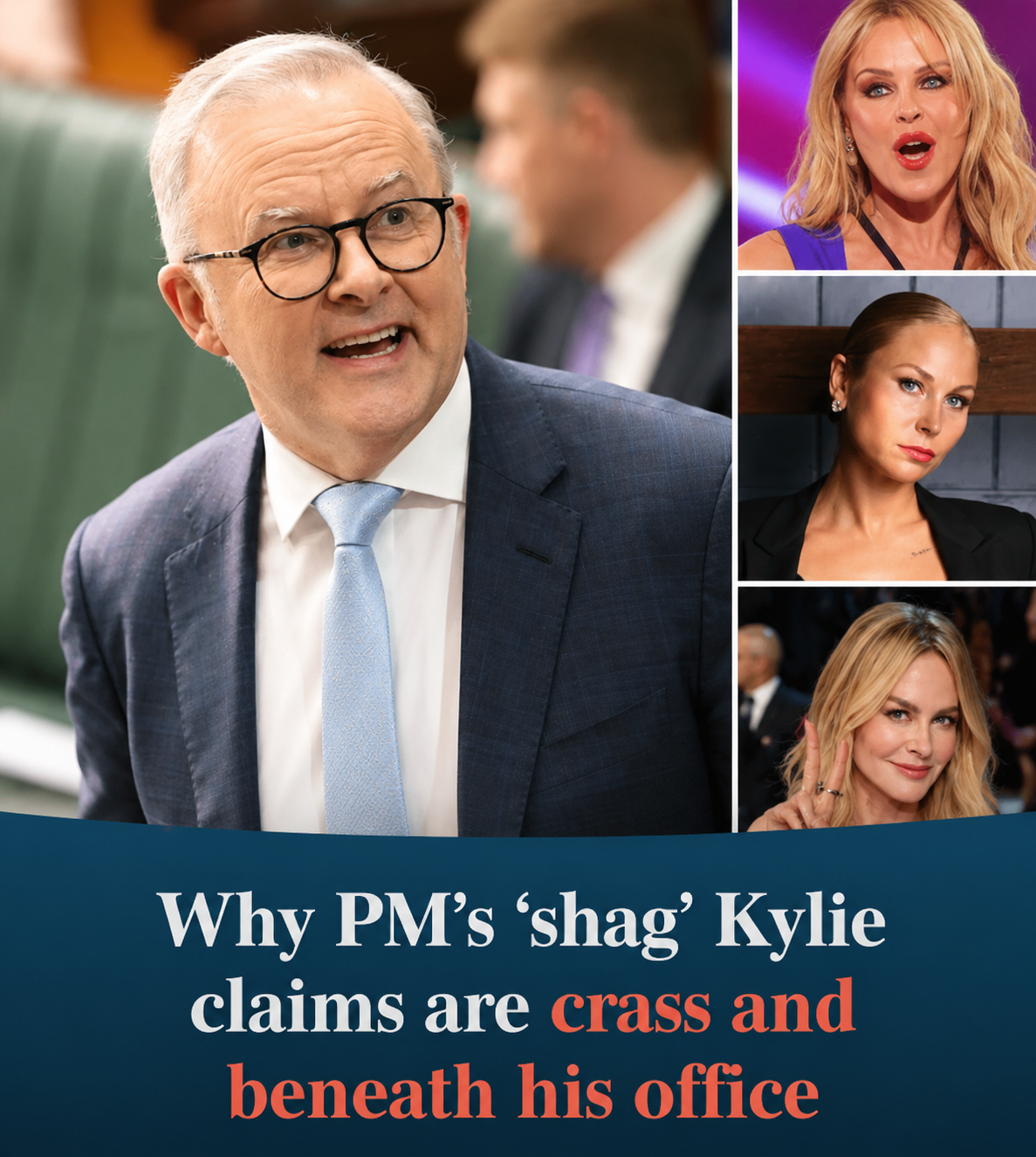
Supporters of the Prime Minister note that he acknowledged his mistake promptly and did not attempt to defend the wording used in the earlier interview. They argue that accepting responsibility and apologising publicly are important aspects of political accountability, particularly when historical comments no longer align with contemporary expectations.
Critics, however, maintain that senior political leaders should be held to the highest standards of public conduct. Some have argued that similar remarks made by politicians from other parties would likely have generated equally intense scrutiny, highlighting ongoing debate about consistency in political and media responses.
The controversy reflects a broader trend in modern politics, where historical interviews, podcasts and archived media appearances frequently re-emerge years later. Advances in digital media have made past recordings far more accessible, allowing statements made long before a person assumed high office to become the subject of renewed public discussion.
Political analysts observe that controversies involving historical comments often become debates about leadership and accountability rather than the original remarks alone. Public attention frequently shifts to how leaders respond when earlier statements are revisited, with apologies, explanations and acknowledgement of changing community expectations becoming central to the discussion.
The episode has also prompted wider reflection on how social standards evolve. Language that may once have been viewed as acceptable in informal entertainment settings is increasingly assessed against modern expectations for respectful public discourse, particularly when associated with senior elected officials.
Media experts note that opinion columns, editorials and political commentary represent the views of their respective authors rather than established fact. As a result, public debate surrounding the issue has included a range of differing perspectives about leadership, accountability and the role of political commentary in democratic societies.
Although the controversy has remained part of the political news cycle for several days, it has not altered the government’s legislative agenda. Nevertheless, it continues to illustrate how historical public statements can influence contemporary political debate and how expectations of accountability continue to evolve for those holding Australia’s highest public offices.