Australia’s political debate is set to intensify as senior Labor figures prepare to defend the federal government’s tax reforms while responding to growing criticism from One Nation and other opponents over immigration, multiculturalism and economic policy.
The discussions are expected to feature prominently during the New South Wales Labor Conference, where Prime Minister Anthony Albanese and NSW Premier Chris Minns are scheduled to outline the party’s policy priorities and respond to issues that have dominated recent political debate.
Among the central topics is the federal government’s tax package, which has generated differing views across the political spectrum. Labor argues the reforms are designed to improve the fairness and sustainability of Australia’s tax system while helping address cost-of-living pressures and supporting long-term budget management.
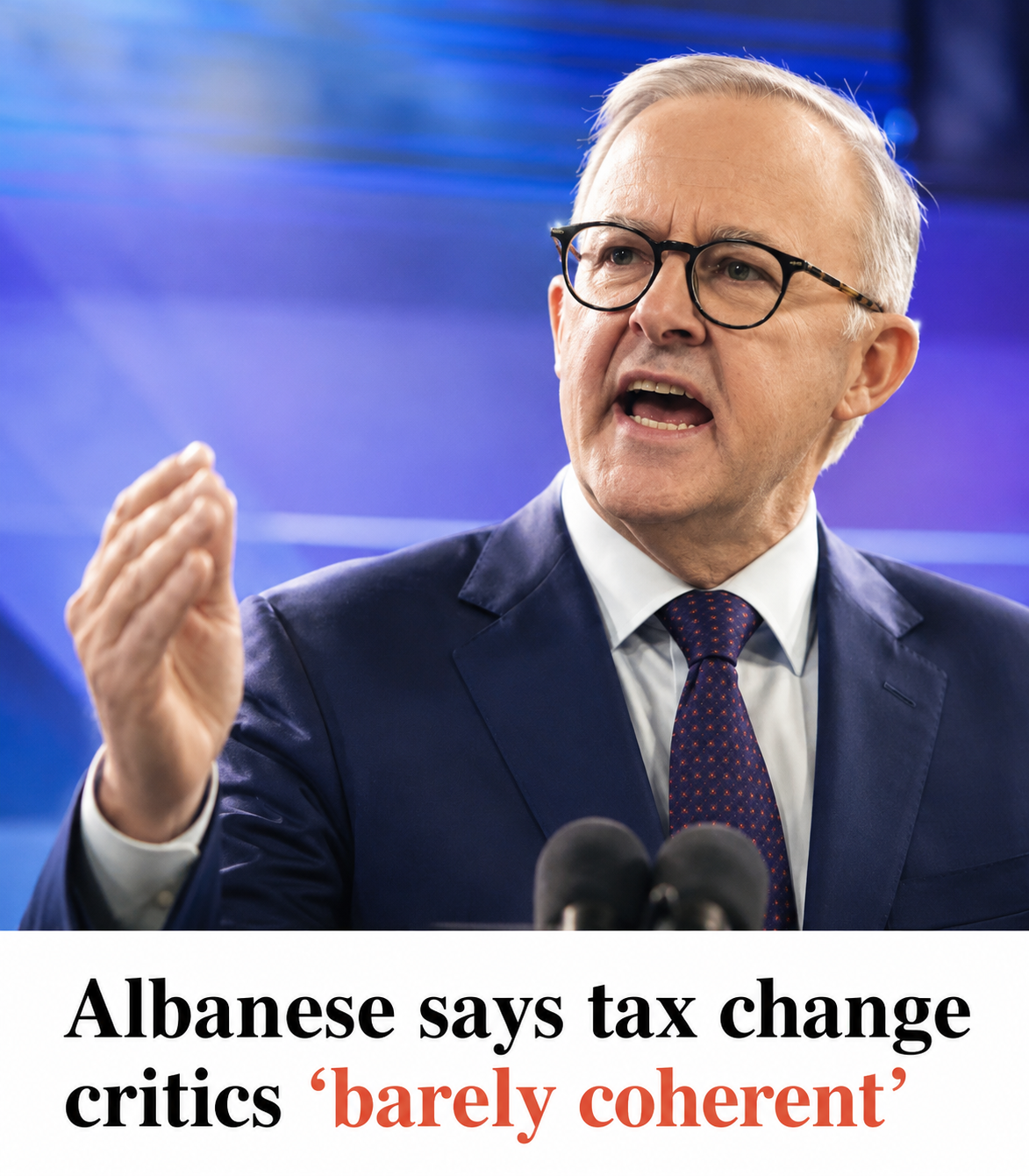
Opposition parties and several minor parties have questioned aspects of the government’s approach, arguing that some of the proposed changes could affect investment decisions, household finances and business confidence. Labor, however, maintains that the package represents a balanced response to current economic conditions and broader fiscal challenges.
Immigration and national identity are also expected to feature prominently during the conference. Chris Minns has previously argued that Australia’s multicultural framework has contributed to the country’s economic development and social cohesion, while warning against policies that, in his view, could undermine community unity.
One Nation has advocated a different approach, placing greater emphasis on lower migration levels, stronger integration policies and what it describes as a shared national culture. Party representatives argue these measures would strengthen social cohesion and ease pressure on housing, infrastructure and public services.
Supporters of Australia’s multicultural model contend that cultural diversity has strengthened the country’s economy, international relationships and workforce while promoting inclusion across communities. They argue that successful integration and multiculturalism can operate together rather than being competing concepts.
Political analysts note that debates surrounding immigration, taxation and national identity have become increasingly interconnected. Cost-of-living pressures, housing affordability and public service capacity are frequently discussed alongside migration policy, creating some of the most significant issues facing Australian voters.
The NSW Labor Conference also provides an opportunity for party leaders to reinforce policy priorities before future parliamentary debates and election campaigns. Speeches delivered at such conferences often signal the themes governments intend to emphasise in the months ahead, while providing opponents with opportunities to present alternative policy approaches.
As Australia’s political landscape continues to evolve, disagreements over taxation, immigration and multiculturalism are expected to remain central to public debate. While the major parties and minor parties offer different policy solutions, each seeks to persuade voters that its approach is best suited to addressing the country’s long-term economic and social challenges.






