Senior Labor ministers have declined to directly criticise Prime Minister Anthony Albanese over controversial comments he made during a podcast interview years before becoming Australia’s leader, instead pointing to his public apology and acknowledgement that the remarks were inappropriate.
The renewed political debate follows the resurfacing of an earlier interview in which Albanese participated in a light-hearted “shag, marry or date” segment and made comments about Australian singer Kylie Minogue. After the recording attracted widespread attention, the Prime Minister apologised, saying the language he used did not reflect the standards he now expects of himself.
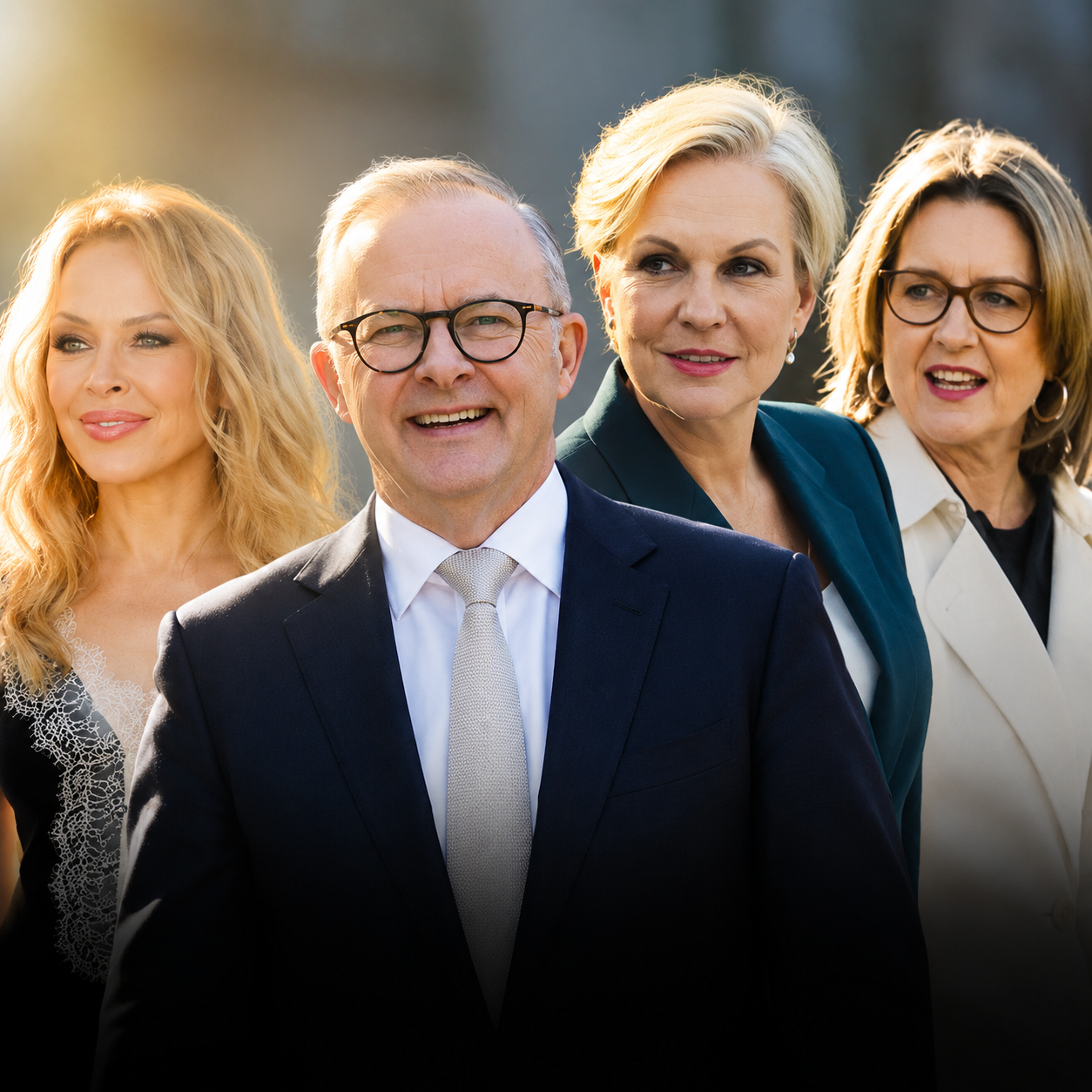
When questioned by journalists, several senior women in the Labor government focused on Albanese’s apology rather than offering direct criticism. They noted that he had accepted responsibility for his remarks and had publicly expressed regret for the offence caused.
Government representatives argued that acknowledging mistakes and apologising publicly are important elements of political accountability. They maintained that Albanese had addressed the issue directly and had made clear that he would not use similar language if asked the same question today.
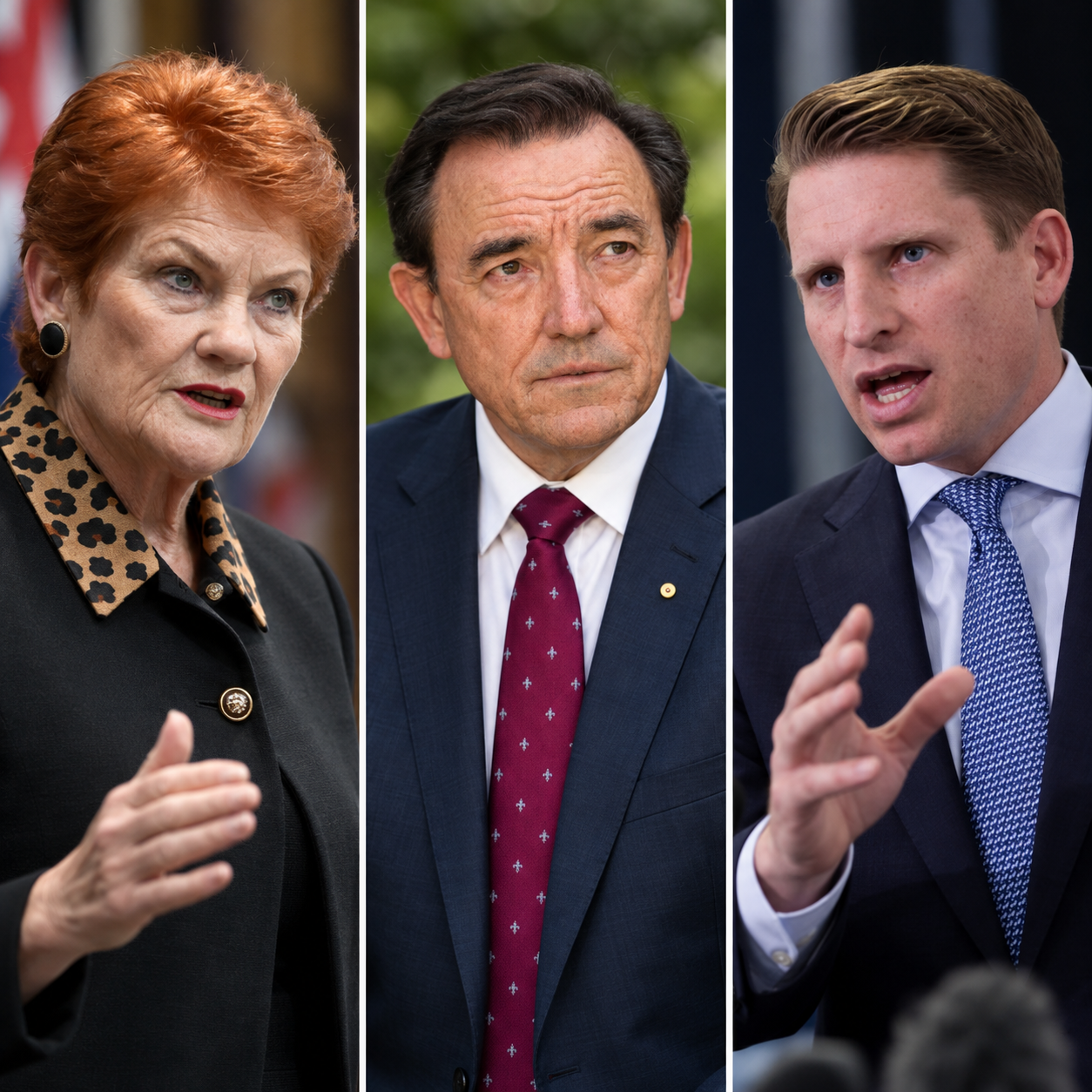
Opposition figures and some commentators, however, questioned whether Labor ministers should have more explicitly condemned the remarks. They argued that political leaders should be held to consistent standards regardless of party affiliation and that responses from senior ministers are an important measure of accountability.
The discussion reflects a broader pattern in modern politics, where historical interviews, podcasts and social media content frequently re-emerge years after they were first recorded. As digital archives have become more accessible, past statements by public figures are increasingly scrutinised against contemporary community expectations.
Political analysts note that controversies involving historical comments often evolve beyond the original remarks themselves. Public attention frequently shifts toward how political leaders, colleagues and parties respond once the comments receive renewed attention, with apologies and public explanations becoming central to the debate.
The episode has also prompted wider discussion about changing social expectations regarding respectful language in public life. Expressions that may once have been regarded as acceptable in informal entertainment settings are now more likely to attract criticism when associated with senior elected officials.
Despite the controversy, the matter has not affected the government’s legislative agenda or policy priorities. Parliamentary business has continued as scheduled while political debate surrounding the Prime Minister’s past comments remains largely focused on questions of judgement, accountability and public leadership.
As public discussion continues, the incident serves as another example of how political leaders can face renewed examination of earlier media appearances long after they were made. It also highlights the continuing importance of public apologies, accountability and evolving standards of conduct in Australian political life.