Prime Minister Anthony Albanese has apologised after comments he made during an earlier podcast interview resurfaced, prompting criticism and renewed discussion about the standards expected of Australia’s political leaders.
The controversy stems from an interview in which Albanese participated in a light-hearted question-and-answer segment commonly known as “shag, marry or date.” During the exchange, he gave a response involving Australian singer Kylie Minogue that has since attracted criticism after being revisited while he serves as Prime Minister.
Following the renewed attention, Albanese acknowledged that his remarks were inappropriate and apologised for the language he used. He said the comments were made years before becoming Prime Minister, but accepted that they did not meet the standards he believes are appropriate for someone in public office today.
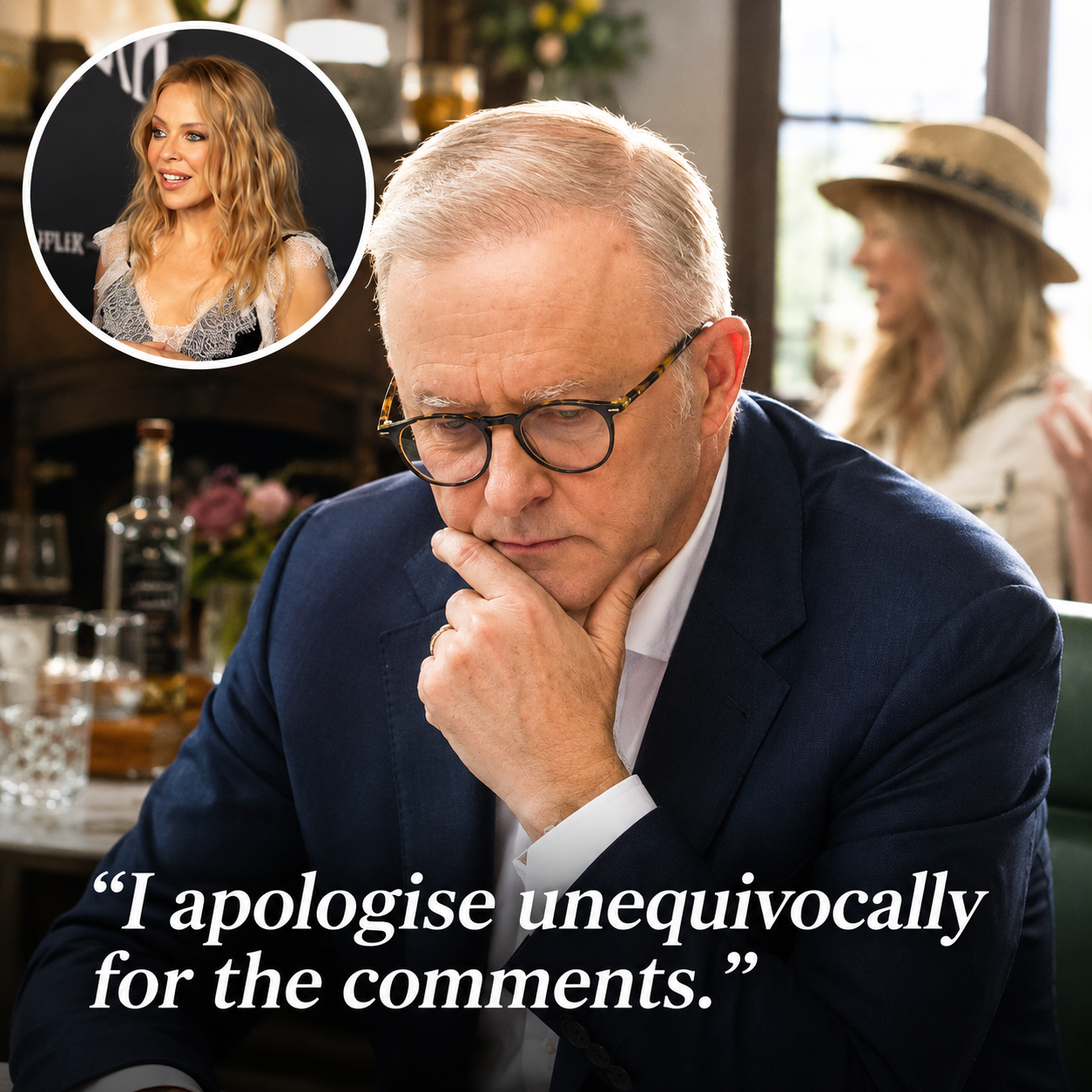
Speaking after the interview resurfaced, Albanese said he regretted the response and recognised that it had caused offence to some people. He added that public expectations have evolved and that, looking back, he would answer the question differently if asked today.
The episode prompted criticism from some commentators and advocacy groups, who argued that senior political leaders should use respectful language when speaking about others, regardless of whether the setting is formal or informal. They said public figures are often judged not only by current conduct but also by comments made earlier in their careers.
Others noted that the interview occurred in a very different context, during an entertainment-style segment rather than a political discussion. They argued that historical media appearances should be assessed with consideration of the broadcasting environment and social expectations that existed at the time, while acknowledging that leaders remain accountable for their past statements.
The incident reflects a broader trend in contemporary politics, where archived interviews, podcasts and social media content frequently resurface years later. As digital archives have become more accessible, historical remarks by public figures are increasingly re-examined through the lens of current community standards.
Political analysts say controversies involving past comments often become less about the original statement itself and more about how leaders respond when those remarks reappear. Public apologies, explanations and acceptance of responsibility can all influence how voters assess a politician’s judgement and credibility.
The debate also highlights changing expectations surrounding public discourse. Language that may once have attracted relatively little attention is now more likely to be scrutinised, particularly when used by individuals holding senior leadership positions.
While the controversy has generated several days of political discussion, it has not altered government policy or parliamentary priorities. Nevertheless, it serves as another reminder that political leaders remain accountable for both their current conduct and their historical public statements as community expectations continue to evolve.






