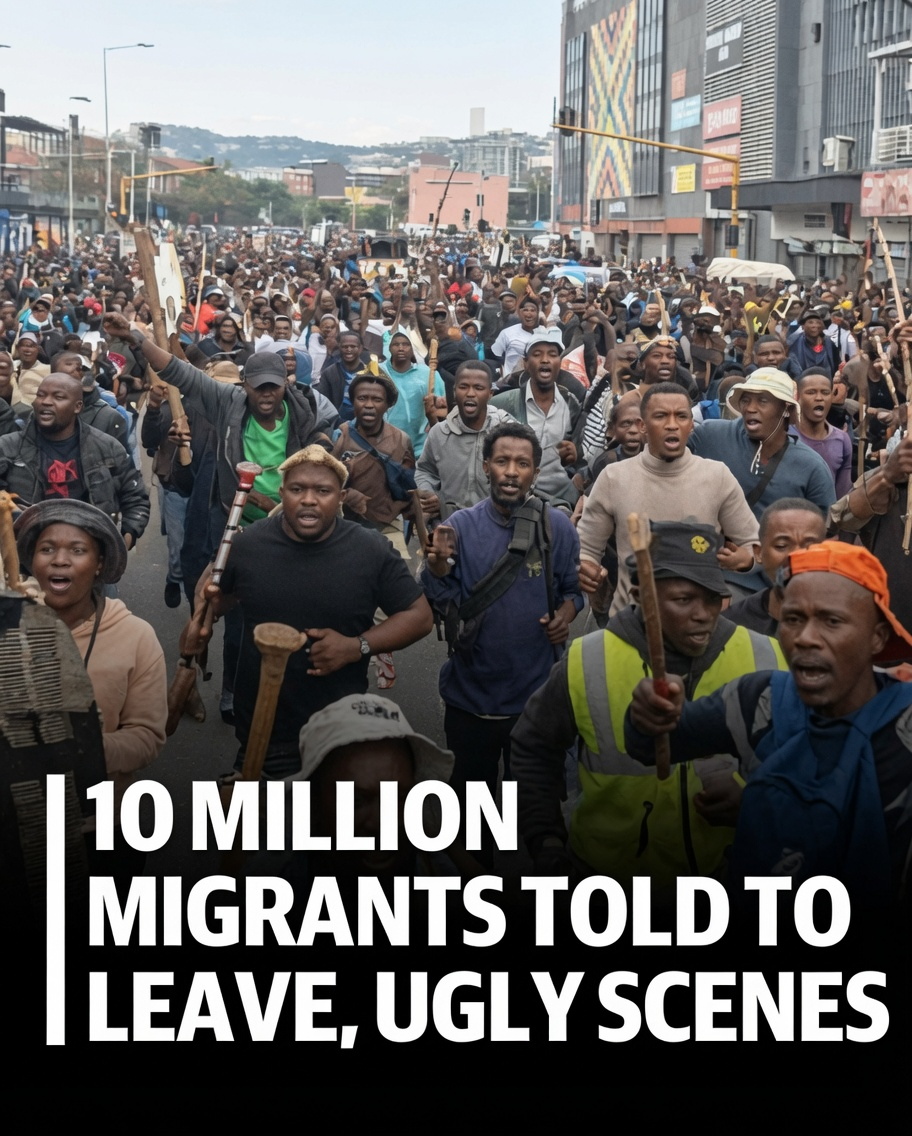
South Africa is facing renewed international attention after weeks of anti-migrant protests culminated in nationwide demonstrations, prompting thousands of foreign nationals to flee their homes amid fears of further violence.
The unrest intensified after activist groups campaigning against undocumented immigration set an unofficial deadline calling on undocumented migrants to leave the country. Although the deadline had no legal standing, many migrants interpreted it as a serious threat, leading thousands to seek temporary shelter, gather at foreign consulates or arrange transport back to their home countries.
Authorities responded by deploying large numbers of police officers and additional security personnel across several provinces. While many demonstrations remained peaceful, isolated incidents of violence, looting and assaults were reported, and police made hundreds of arrests in connection with a range of offences during the protests.
South African President Cyril Ramaphosa acknowledged that concerns about illegal immigration exist within parts of the community but stressed that only the government has the authority to enforce immigration laws. He condemned intimidation, vigilantism and attacks on foreign nationals, urging protesters to express their views peacefully and within the law.
The demonstrations have had significant humanitarian consequences. Thousands of migrants from countries including Malawi, Zimbabwe, Nigeria and the Democratic Republic of the Congo have left affected communities, with several neighbouring governments organising buses or flights to help citizens return home. Temporary camps have also been established for displaced people awaiting evacuation.
Anti-immigration groups argue that undocumented migration contributes to unemployment, crime and pressure on public services. However, economists, migration researchers and human rights organisations have cautioned that available evidence does not support the claim that migrants are the primary cause of South Africa’s economic challenges. They instead point to longstanding structural issues including high unemployment, inequality, corruption and slow economic growth.
South Africa has experienced recurring outbreaks of xenophobic violence over the past two decades, most notably in 2008 and during several subsequent periods of unrest. Those incidents resulted in deaths, widespread displacement and damage to businesses owned by foreign nationals, prompting repeated calls for stronger community protection and more effective law enforcement.
Human rights organisations have expressed concern that both documented and undocumented migrants have been affected by recent intimidation, with some legal residents reporting that they also feared being targeted because of their nationality. International agencies have urged authorities to protect vulnerable communities while ensuring immigration laws are enforced through lawful processes rather than mob action.
The latest unrest has also created diplomatic challenges for South Africa, as several African governments have raised concerns about the safety of their citizens living and working in the country. Foreign ministries have continued to monitor developments while coordinating assistance for those seeking to return home.
As security operations continue, authorities are attempting to restore order while preventing further violence. The events have once again highlighted the difficult balance between managing illegal immigration, maintaining public confidence and protecting the rights and safety of everyone living within South Africa, regardless of their nationality or immigration status.






