Calls for tighter regulation of large American-style pick-up trucks are gaining momentum in Australia, with some road safety experts arguing the vehicles should be banned altogether. The debate comes as the oversized vehicles become increasingly common on Australian roads, prompting questions about whether existing road infrastructure and regulations are keeping pace.
Supporters of stronger restrictions argue that many full-size American pick-up trucks are significantly larger and heavier than traditional Australian utes. They say the vehicles can create larger blind spots, occupy more road and parking space, and pose greater risks for pedestrians, cyclists and occupants of smaller vehicles during collisions.
While Australia has seen growing sales of imported full-size models from brands such as RAM, Chevrolet and GMC in recent years, critics believe their increasing popularity is creating new road safety challenges, particularly in busy urban areas. Similar concerns have surfaced previously as additional American-style models entered the Australian market.
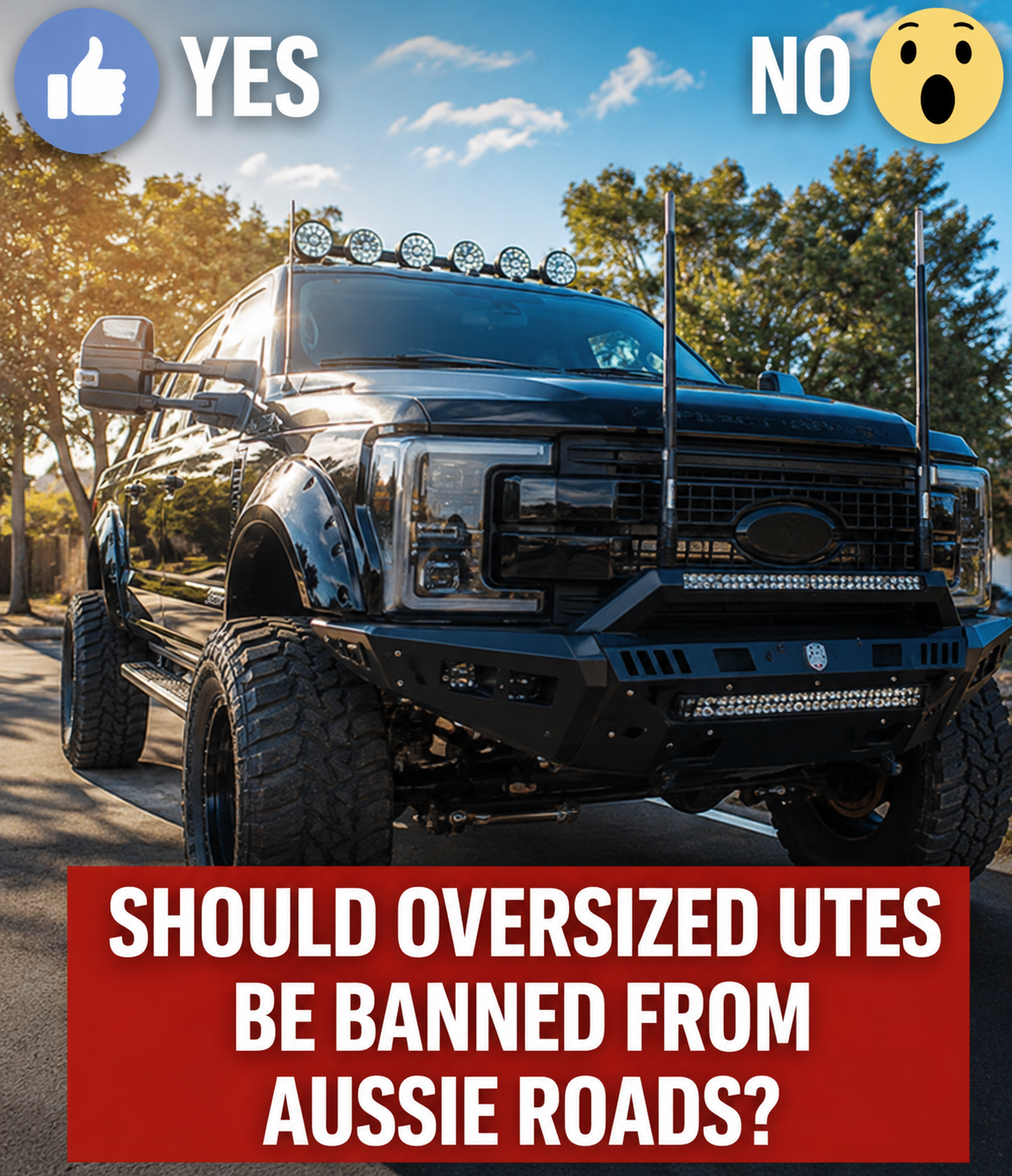
Some experts are calling for an outright ban on the largest models rather than relying solely on existing vehicle standards. Others have proposed alternative measures, including stricter licensing requirements, revised parking rules, higher registration charges or additional safety standards aimed at reducing risks without preventing ownership altogether.
Road safety concerns often focus on the size and design of these vehicles. Researchers have noted that taller front ends and higher bonnet lines can increase forward blind spots, making it more difficult for drivers to see pedestrians or cyclists close to the vehicle. Safety advocates also point to international research suggesting larger vehicles can increase the severity of injuries when collisions occur, particularly involving vulnerable road users.
However, not everyone agrees that a ban is the appropriate response.
Owners and industry representatives argue that full-size pick-up trucks serve legitimate purposes for many Australians. They are commonly used for towing heavy caravans, horse floats, boats and work trailers, while some businesses rely on their greater payload and towing capacity compared with conventional utes.
They also note that these vehicles are legally imported, modified where necessary to comply with Australian regulations, and registered under existing road rules. From this perspective, the focus should remain on ensuring vehicles meet safety requirements rather than prohibiting a particular category of vehicle.
The discussion reflects a broader shift in Australia’s vehicle market. Over the past decade, buyers have increasingly moved away from traditional passenger sedans towards SUVs and larger utility vehicles. That trend has prompted ongoing debate about balancing consumer preferences with road safety, environmental impacts and the suitability of increasingly large vehicles for suburban streets and city centres.
Several policy ideas have been floated in recent years, ranging from higher parking fees for oversized vehicles to revised safety standards and changes to registration costs. While some campaigners believe stronger restrictions are necessary, governments have so far continued to allow the vehicles provided they comply with Australian regulations.
For now, the calls for an outright ban remain part of a wider public policy debate rather than an announced government proposal. Whether Australia eventually introduces tougher rules, higher operating costs or maintains the current regulatory approach is likely to remain a topic of discussion as sales of large American-style pick-up trucks continue to grow.






