Prime Minister Anthony Albanese has defended the federal government’s changes to Australia’s capital gains tax (CGT) system, arguing that reform is necessary because the country’s housing market is no longer delivering fair outcomes for many Australians.
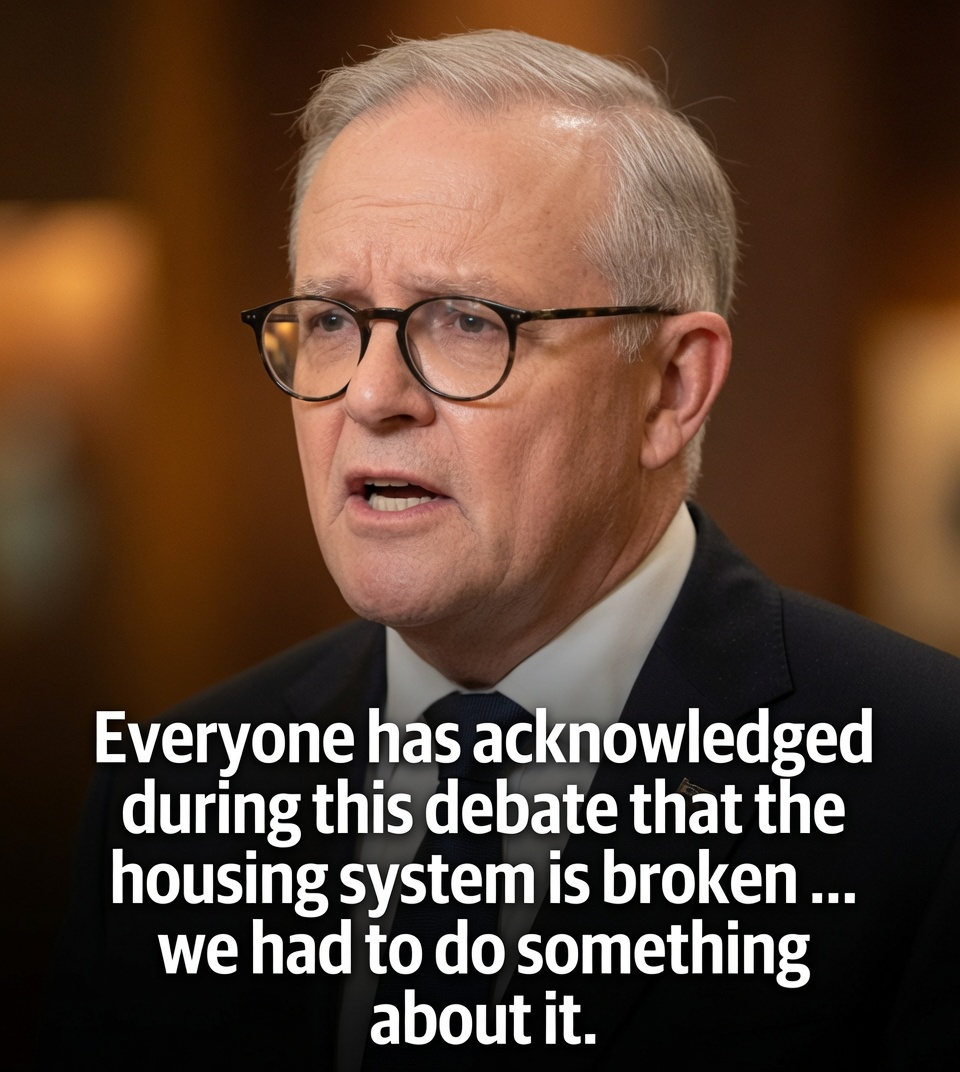
Speaking after criticism of the measures announced in the federal budget, Mr Albanese said successive governments had acknowledged the pressures facing the housing market and that maintaining the status quo would do little to improve affordability for future buyers.
The proposed reforms would replace the long-standing 50 per cent capital gains tax discount for new eligible investments with an inflation-indexed cost base while applying a minimum effective discount of 30 per cent. Existing investments would continue to be covered under grandfathering arrangements, meaning people who already own investment properties would generally remain under the current rules. Investors purchasing newly built homes would also continue to receive the existing 50 per cent CGT discount as part of the government’s effort to encourage additional housing supply.
According to the government, the objective is not to penalise existing property owners but to reshape investment incentives over time. Ministers argue that Australia’s tax settings have encouraged investors to compete for established homes rather than directing more investment into new residential construction, limiting opportunities for first-home buyers in an already constrained market.
Mr Albanese said the housing system had become increasingly difficult for younger Australians, pointing to decades of strong property price growth that has significantly outpaced wage increases. He argued that governments have a responsibility to respond when affordability continues to deteriorate, particularly for people attempting to enter the market for the first time.
The government believes the combination of capital gains tax reform, changes to negative gearing for future investments and continued incentives for newly constructed housing will help shift investment toward increasing housing supply. Officials have argued that improving supply is essential if long-term affordability is to improve, alongside broader initiatives aimed at accelerating home construction across Australia.
Critics, however, have questioned whether the reforms will achieve their stated objectives. Property industry representatives and some economists have warned that reducing tax concessions could discourage investment, potentially affecting rental supply or creating uncertainty in the housing market. Others argue the reforms may place additional pressure on investors without addressing planning constraints, construction costs and other structural factors that also contribute to Australia’s housing shortage.
Supporters of the changes take a different view, saying the existing tax settings have disproportionately benefited higher-income investors while making it more difficult for aspiring homeowners to compete for established properties. They argue that encouraging investment in new housing rather than existing homes could gradually increase supply without removing incentives altogether.
The debate reflects broader questions about how Australia should balance housing affordability with investment confidence. Housing policy has become one of the country’s most closely watched economic issues as governments seek ways to increase supply while managing cost-of-living pressures and population growth.
For current homeowners and existing property investors, the immediate impact is expected to be limited because previously acquired investments are generally protected under grandfathering provisions. The more significant effects, if any, would emerge gradually as future investment decisions are made under the revised tax framework.
The government’s broader housing strategy extends beyond tax policy. It includes measures intended to support new residential construction, assist eligible first-home buyers and work with state and territory governments to increase the overall supply of homes. Whether those combined measures ultimately improve affordability will become clearer over the coming years as the market responds to the new policy settings.
As debate continues, the capital gains tax reforms remain one element of a wider discussion about how Australia can address housing affordability while maintaining confidence in the property market. The government maintains the changes are designed to create a fairer system over time, while critics continue to scrutinise their likely economic impact and effectiveness.






