A new national opinion poll has highlighted an important difference in how Australians evaluate political parties, suggesting that while many Labor and Coalition supporters place their greatest emphasis on clear and practical policy proposals, One Nation supporters are more likely to value whether they feel personally understood by the party they support.
The findings emerged from the latest Newspoll, which examined not only voting intentions but also the factors influencing voter loyalty. Researchers found that perceptions of authenticity and personal connection were particularly significant among One Nation supporters, whereas voters backing the two major parties tended to prioritise policy detail, economic management and realistic government programs. These contrasting priorities offer insight into the changing nature of Australian politics as traditional party loyalties continue to evolve.
The survey was released at a time when Australia’s political landscape remains unusually competitive. Labor has regained some support following recent adjustments to elements of its budget tax package, while One Nation continues to maintain a sizeable base despite a slight decline from its recent polling highs. Meanwhile, the Coalition remains under pressure after recording historically low primary vote figures in the latest polling.
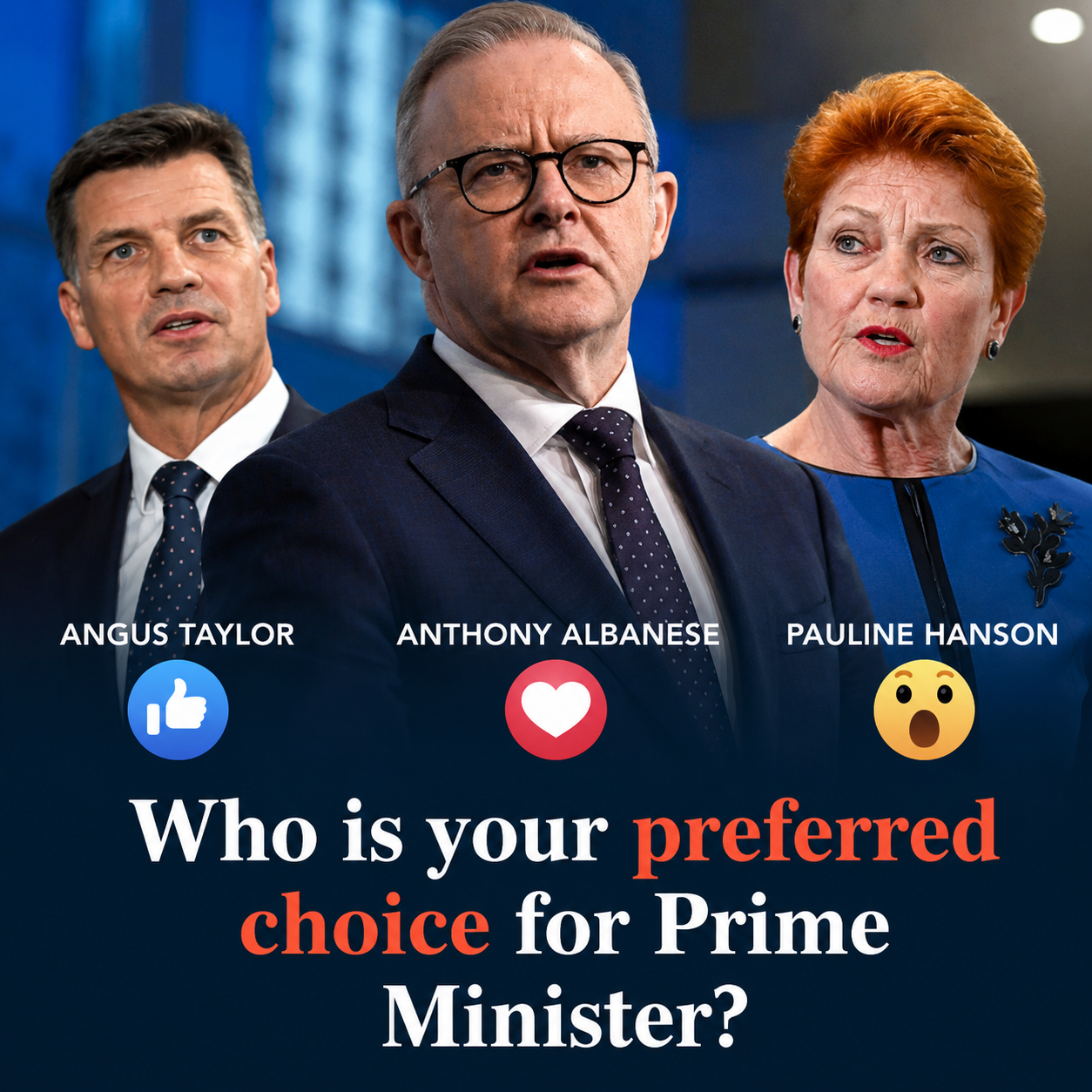
Political researchers have increasingly observed that many voters now assess parties using a combination of policy preferences and emotional engagement. While policy remains fundamental, trust, relatability and the belief that political leaders understand everyday experiences have become influential factors, particularly among voters who feel disconnected from established political institutions.
The Newspoll findings suggest this trend is especially evident among One Nation supporters. Rather than placing primary importance on the technical detail of policy proposals, many respondents indicated they were attracted by the perception that the party understands their concerns and reflects their experiences. Researchers caution that this does not mean policy is unimportant, but rather that personal identification appears to play a larger role for this group than it does for supporters of the major parties.
Among Labor and Coalition voters, however, the survey identified a different pattern. Respondents were more likely to emphasise the importance of governments presenting detailed, achievable and credible policy platforms. Issues such as taxation, economic management, healthcare, housing and cost-of-living measures continued to rank highly when voters explained what influenced their political choices.
The differing responses reflect broader changes that have been developing within Australia’s political system for several election cycles. As support for smaller parties and independent candidates has grown, political competition has become less centred on traditional party identification alone. Voters increasingly compare parties based on leadership style, communication, responsiveness and perceived authenticity alongside specific policy commitments.
For major parties, the findings present both opportunities and challenges. Labor’s recent improvement in polling has been linked partly to its handling of several controversial budget measures, with some analysts suggesting that policy adjustments reduced public concern over proposed tax changes. At the same time, the Coalition faces the difficult task of rebuilding confidence among conservative voters while responding to competition from One Nation and other minor parties.
One Nation’s continued support illustrates another important feature of contemporary Australian politics. Minor parties can attract significant backing by presenting themselves as alternatives to the established political system, particularly among voters who believe their concerns have not been adequately addressed by successive governments. Political scientists note that this dynamic is not unique to Australia and has appeared in a number of comparable democracies over the past decade.
The poll also demonstrates that political communication has become increasingly important. Detailed policy documents remain essential for governing, yet campaigns are now often judged as much by whether leaders appear relatable and responsive as by the content of individual policy announcements. Social media, direct communication and highly personalised campaigning have amplified that trend by allowing political figures to interact with voters more directly than in previous decades.
Ultimately, the survey suggests Australians are not all looking for the same qualities in political leadership. Some place greatest value on comprehensive policy frameworks and long-term planning, while others prioritise authenticity and a sense that politicians genuinely understand the pressures affecting everyday life. Those different expectations help explain why parties adopt distinct campaign strategies and why messages that resonate with one group of voters may have little impact on another.
With considerable time remaining before Australians next return to the ballot box, the findings provide a snapshot of current political attitudes rather than a prediction of election outcomes. Nevertheless, they offer an indication of how voter expectations continue to evolve and why both major and minor parties are adapting their campaigns to address changing views about leadership, policy and representation.






