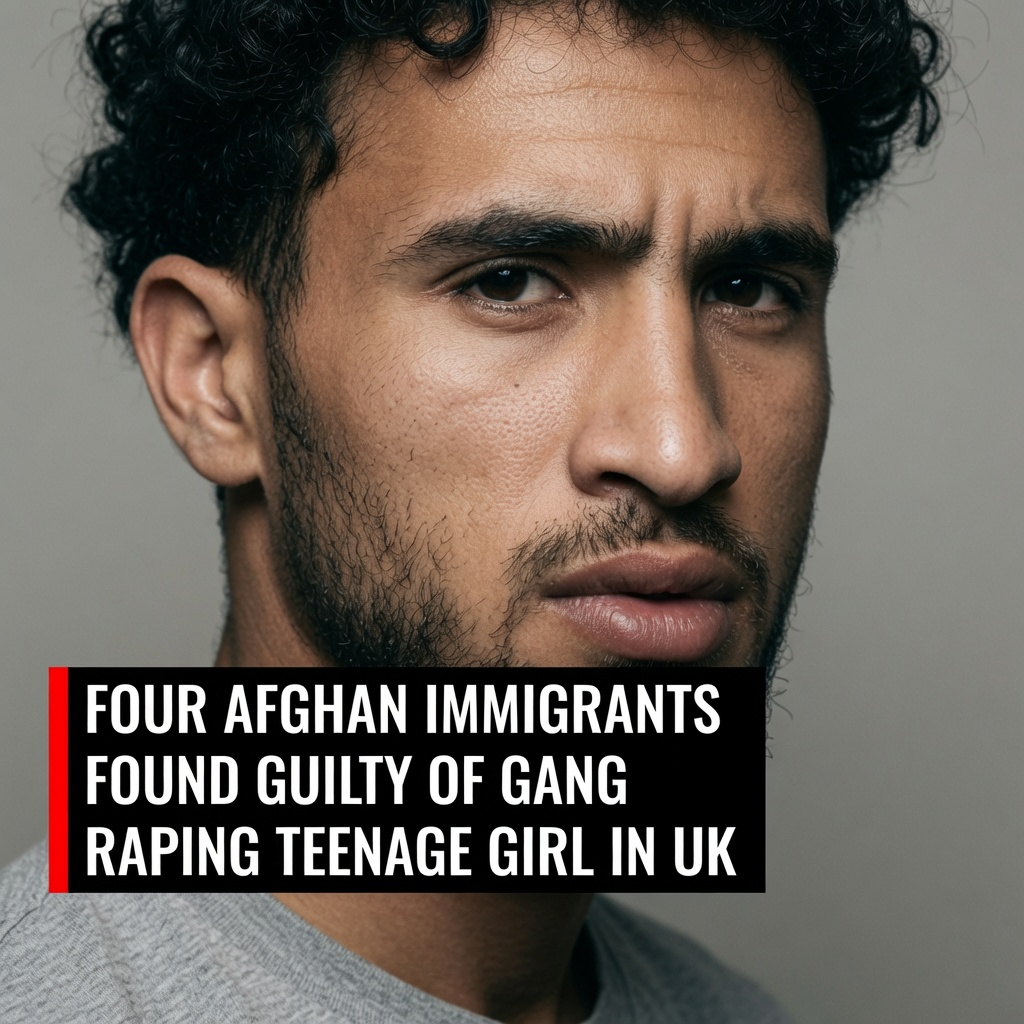
A jury in the United Kingdom has found four men guilty over the sexual assault of a 17-year-old girl in Bristol, concluding a case that has attracted widespread public attention because of both the seriousness of the offences and the wider discussions it has prompted about public safety, criminal justice and immigration policy.
The convictions followed a trial in which prosecutors alleged the teenager was groomed through social media before being transported from Somerset to Bristol, where she was sexually assaulted over several hours inside a residential property. The jury accepted the prosecution’s case and returned guilty verdicts on a range of offences, including rape and, for some defendants, human trafficking-related charges.
According to evidence presented during the trial, the victim first came into contact with one of the defendants only days before the attack. Prosecutors said that online communication gradually developed before transport was arranged to bring her to Bristol during the early hours of the morning. Once there, the prosecution alleged she was isolated from family and friends before the offences occurred.
Following the incident, three of the adult defendants left the United Kingdom and travelled towards continental Europe. French authorities later located and detained them in Calais before they were returned to Britain to face criminal proceedings. Their departure from the country became part of the prosecution case and received significant public attention throughout the investigation.
The verdicts represent the conclusion of the trial stage but do not end the legal process. Sentencing is scheduled for a later hearing, where the court will determine the appropriate penalties after considering the convictions, victim impact evidence and any submissions made by the defence.
The case has also renewed discussion in Britain about how police and prosecutors investigate allegations involving the grooming and exploitation of vulnerable young people. Law enforcement agencies have said such investigations often require extensive digital evidence, witness testimony and cooperation between multiple jurisdictions when suspects travel overseas.
Alongside the criminal proceedings, the case has become part of a broader political debate concerning immigration and public safety. Some commentators have argued that offences committed by foreign nationals should influence immigration policy, while others have cautioned against drawing conclusions about wider communities from the actions of individuals convicted of serious crimes.
British courts determine criminal responsibility on an individual basis rather than by nationality or ethnicity. The convictions in this case relate specifically to the four defendants found guilty by the jury after hearing the evidence presented during the trial.
Child protection organisations have long argued that preventing sexual exploitation requires early intervention, improved reporting mechanisms, better online safety awareness and stronger cooperation between schools, police and social services. They also emphasise the importance of supporting victims throughout lengthy criminal proceedings.
The Bristol case follows a number of other high-profile investigations into child sexual exploitation that have prompted reviews of safeguarding practices in different parts of the United Kingdom. Authorities have repeatedly stated that protecting vulnerable young people remains a priority regardless of the background of either victims or offenders.
For the victim and her family, the jury’s verdict marks a significant stage in the legal process after months of investigation and court proceedings. For policymakers, the case is likely to remain part of wider discussions about criminal justice, border policy and the measures needed to reduce the risk of similar offences in the future. Any broader policy conclusions, however, remain matters for public debate rather than findings made by the court in this case.






