A fresh political clash has erupted over the future of Australian identity after Liberal National Party MP Garth Hamilton publicly rejected Pauline Hanson’s call for a more monocultural Australia.
Hamilton described the proposal as “terrifying”, creating another flashpoint in an already heated national debate about immigration, multiculturalism and social cohesion.
The disagreement comes just days after Hanson used a major public platform to argue that Australia should move away from multiculturalism and place greater emphasis on a single shared national culture.
Her comments generated strong reactions from across the political spectrum and quickly became one of the most discussed topics in Australian politics.
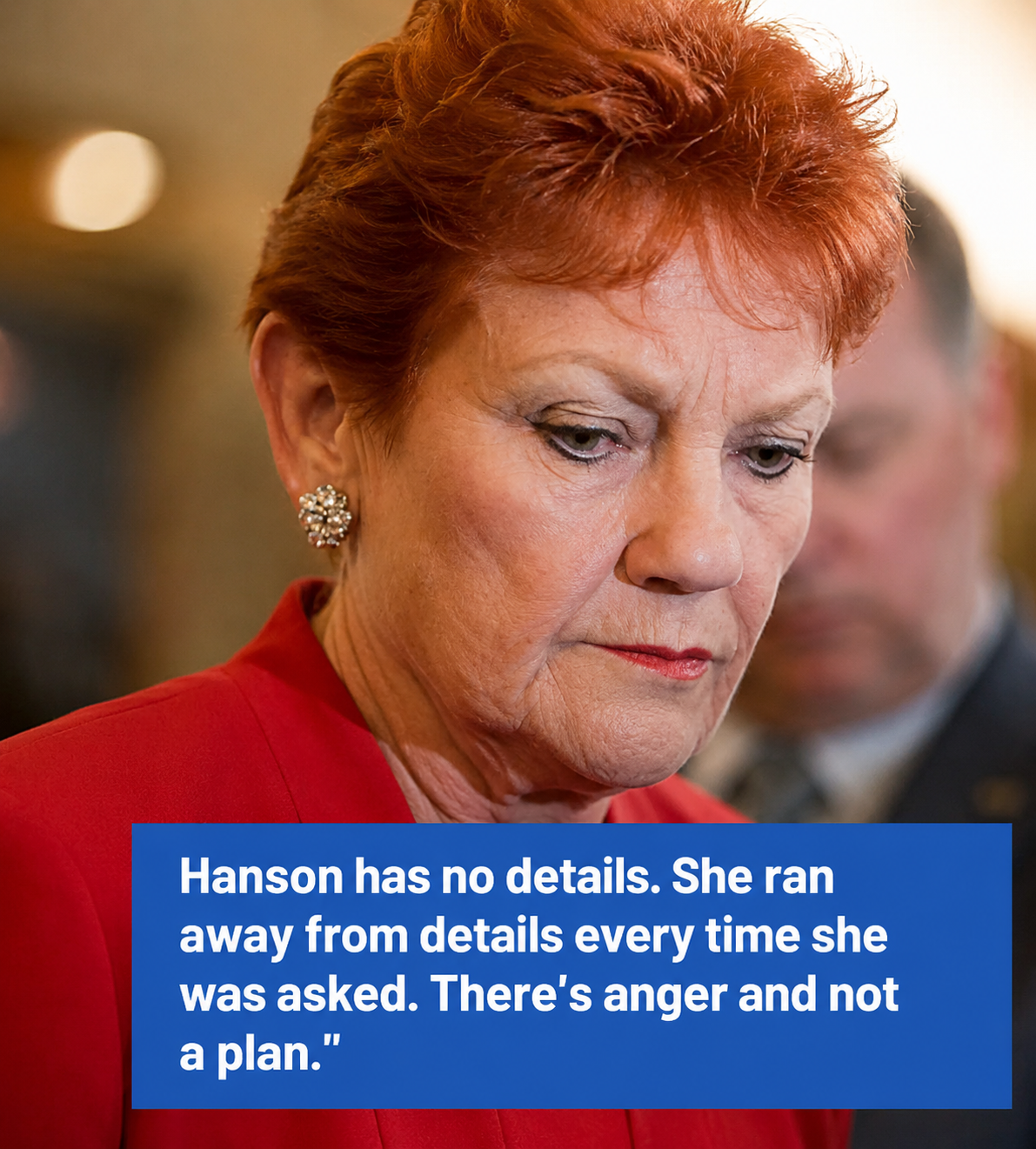
For Hanson, the argument centres on national unity.
She has repeatedly claimed that Australia risks becoming fragmented if governments continue to encourage what she views as separate cultural identities rather than a common national identity.
Supporters of her position argue that stronger integration policies could help reinforce social cohesion and create a clearer sense of shared values.
However, Hamilton took a sharply different view.
He argued that Australia’s success has been built in large part on its ability to attract people from diverse backgrounds while maintaining a stable and democratic society.
From his perspective, multiculturalism has helped strengthen Australia rather than weaken it.
The comments are significant because they come from within the broader conservative side of politics.
While Hanson and One Nation often attract support from voters concerned about migration and cultural change, many Coalition figures have historically supported multiculturalism as part of modern Australian society.
That difference highlights an important divide within the broader centre-right political landscape.
The debate extends well beyond political rhetoric.
Questions surrounding national identity have become increasingly prominent as Australia experiences ongoing population growth and remains one of the world’s most multicultural nations.
Issues such as immigration levels, integration, citizenship requirements and social cohesion are regularly discussed alongside housing, cost-of-living pressures and economic growth.
For some Australians, multiculturalism represents one of the country’s greatest strengths.
They argue that migration has contributed to economic development, cultural diversity and Australia’s international competitiveness.
Many business groups, universities and community organisations point to the benefits of attracting talent, investment and skills from around the world.
Others, however, believe the current model requires adjustment.
They argue that rapid population growth and cultural change can place pressure on communities if integration efforts fail to keep pace.
Some also believe stronger expectations around language, civic participation and shared values would improve social cohesion.
The disagreement reflects a broader conversation occurring in many Western democracies.
Countries across Europe and North America are wrestling with similar questions about immigration, cultural identity and national unity.
As a result, debates that were once considered fringe topics have increasingly moved into mainstream political discussion.
Political analysts note that identity-related issues often generate strong public reactions because they touch on people’s sense of belonging and their vision for the future of the country.
Unlike debates focused solely on economics or taxation, discussions about national identity are often shaped by personal experiences, values and community relationships.
That helps explain why comments from both Hanson and Hamilton have attracted significant attention.
Neither side appears likely to back down.
Hanson continues to argue that Australia needs a stronger focus on common national values, while Hamilton and other critics maintain that multiculturalism remains one of the country’s defining strengths.
With immigration, social cohesion and population growth expected to remain major political issues, the debate is likely to continue well beyond this latest exchange.
For voters, the discussion ultimately raises a broader question: how should Australia balance cultural diversity with a shared national identity in the decades ahead?






