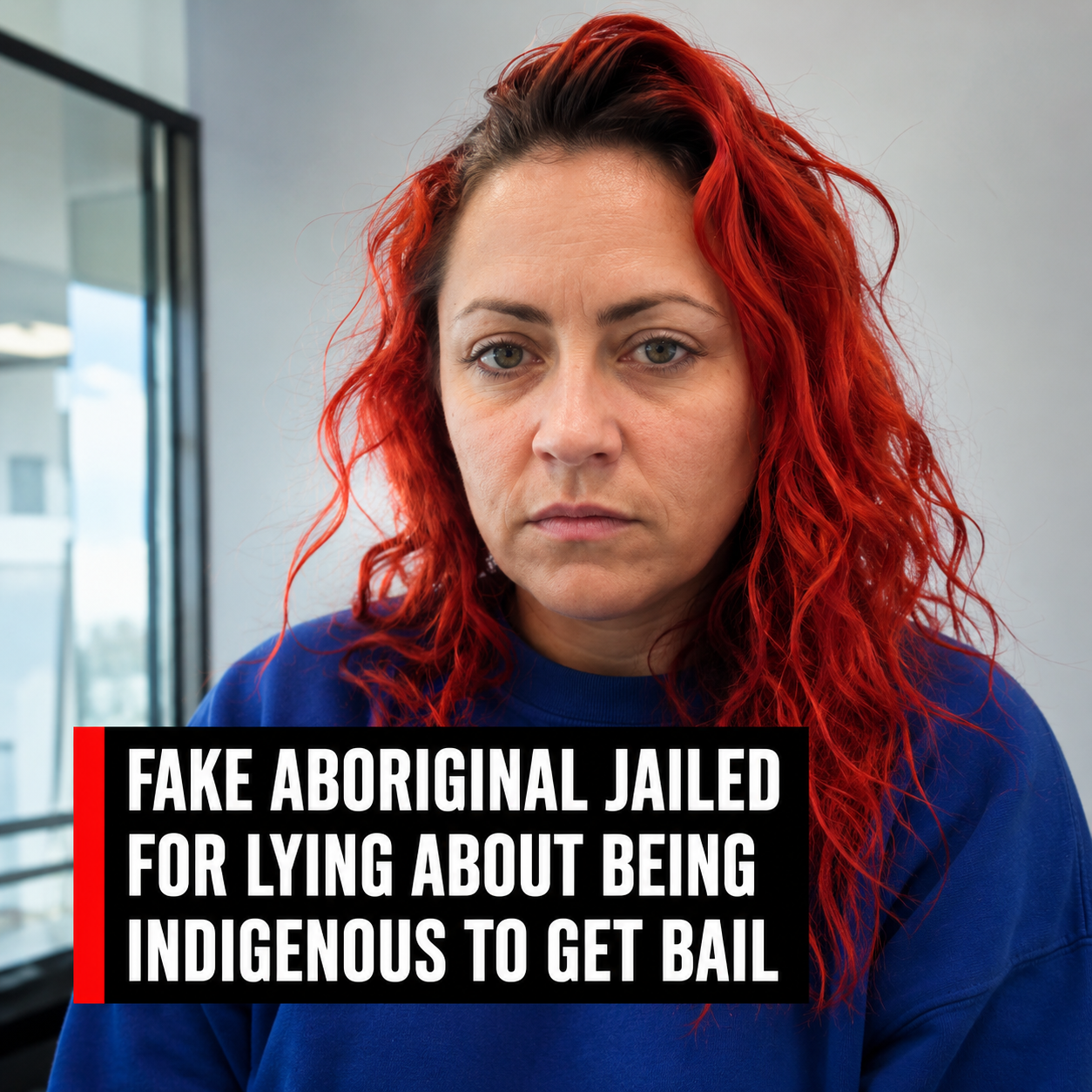
A court case involving a woman who falsely claimed Indigenous heritage has reignited debate about how Australia’s justice system applies special considerations in bail decisions.
The mother-of-four was sentenced after authorities determined she had deliberately misrepresented her background while navigating legal proceedings. Prosecutors argued the false claim was intended to obtain advantages available under provisions designed to address the overrepresentation of Indigenous Australians within the criminal justice system.
The case has attracted significant attention because it touches on broader questions of fairness, accountability and the purpose of targeted legal protections.
Australian courts in several jurisdictions are required to consider a range of social, historical and cultural factors when making decisions involving Indigenous defendants.
These provisions were introduced in response to longstanding concerns about incarceration rates and the disproportionate impact of the justice system on Indigenous communities.
Supporters argue such measures are intended to create fairer outcomes by recognising unique circumstances that may influence a person’s interaction with the legal system.
Critics, however, have questioned whether special considerations can create opportunities for abuse if claims are not properly verified.
That concern moved to the centre of the discussion following the woman’s conviction.
According to court findings, authorities concluded the claim regarding her Indigenous identity was not genuine. The court determined that false information had been provided during legal proceedings, leading to criminal consequences beyond the original matters before the court.
The sentence reflects the seriousness with which courts treat dishonest statements made in judicial processes.
Legal experts note that the justice system relies heavily on truthful information when assessing bail applications, sentencing considerations and other decisions that directly affect public safety and individual rights.
Providing false information can undermine confidence in those processes and potentially affect outcomes that would otherwise be based on accurate facts.
The case has generated strong reactions from across the political and legal spectrum.
Some commentators argue the incident demonstrates the need for stronger verification procedures when identity-related claims are made during court proceedings.
They believe safeguards should exist to ensure benefits intended for specific groups reach those they were designed to assist.
Others caution against allowing one case to overshadow the broader reasons these legal protections were introduced.
Advocates for Indigenous justice reforms note that the policies emerged from decades of research and recommendations highlighting significant disparities within Australia’s criminal justice system.
From that perspective, they argue the misconduct of one individual should not be used to judge the wider purpose of the laws.
The debate also highlights a broader challenge faced by policymakers.
Governments often introduce targeted measures to address disadvantage experienced by particular communities. While those programs can deliver benefits, they also require systems capable of detecting and preventing misuse.
Balancing those objectives is rarely straightforward.
Too little oversight may increase opportunities for abuse, while excessive scrutiny can create barriers for people the policies were intended to support.
Legal analysts say the current case demonstrates why maintaining public confidence is essential.
When people believe rules are being applied fairly and consistently, support for targeted programs is generally stronger. Cases involving fraud or deception can quickly undermine that confidence if authorities fail to respond appropriately.
The court’s decision sends a clear message that false representations made during legal proceedings can result in serious consequences.
At the same time, the case is likely to fuel ongoing discussion about the design of bail laws, identity verification processes and the role of targeted justice reforms in Australia.
With criminal justice policy remaining a politically sensitive issue, debates surrounding fairness, accountability and equal treatment before the law are unlikely to disappear anytime soon.
What happens next may depend on whether lawmakers, legal experts and community groups believe existing safeguards are sufficient or whether further reforms are needed to prevent similar cases in the future.






